Common Puppy Training Mistakes New Owners Make!

Entering puppy parenthood means you will be responsible for training your puppy basic commands and more to help them become well-mannered family members! But here are a few very common and easy to make mistakes you may encounter and how to avoid or fix them!

It’s always fun and exciting when a new puppy comes home for the first time! As a new puppy owner, you’re probably thinking about introducing your puppy to their new home and routine but it can be challenging when you don’t know the basic dos and don’ts of puppy training. To make sure that your pup receives the best puppy training possible, take some time to learn about some of those pesky common mistakes many new owners make when puppy training for the first time! Knowing what not to do beforehand can save you a lot of frustration and will benefit the progress of your puppy throughout their first year of growing!

#1 Not Starting Puppy Training Early On

Screen Shot 2020-01-03 at 8.29.17 PM.png

One of the most frequent comments we hear at The Puppy Academy from new puppy owners is they wish they hadn't waited so long to start training! Don’t wait until they are older and can develop bad behaviors in the interim. Start teaching them proper behavior from day one! Young puppies may not be able to learn certain advanced skills like agility, but you can immediately start training with things like potty training, creating boundaries, and certain basic commands like Sit and Come are a good starting point! One of the best things you can do to help out the most during their first days with you (or even better, before you bring your puppy home) is to look into a professional puppy trainer or puppy training classes where your puppy can learn basic obedience. An added bonus to opting for professional puppy training is that it gives you the opportunity to ask and address puppy behavior questions directly with a trainer rather than trying to figure it all out on your own! This can relieve so much pressure knowing that you’re in good hands and have help nearby!

LET US HELP YOU MAKE PUPPYHOOD EASIER! SIGN UP TO LEARN ABOUT OUR NEW ONLINE PUPPY SCHOOL SEMESTER!

#2 Choosing to Not Crate Train

In our experience, crate training is one of the most valuable assets in puppy training! It provides a safe place of their own where your puppy can rest; helps in teaching them independence and confidence in being alone, and can even speed up the potty training process! You can learn more about crate training in our “Why & How to Crate Train Your Puppy” blog. 

#3 Allowing Your Puppy to Free Roam

@thatsmyboy.blue

@thatsmyboy.blue

So many new owners want to let their pups walk around and explore their new home on their own. But the reality is allowing this will more likely than not lead to your puppy getting into some kind of trouble! Unexpected potty accidents, unwanted chewing, and depending on whether or not you puppy-proofed your home, they can get into a harmful situation, are all possibilities you can face with a free-roaming puppy. Handy tools like baby gates are easy to set up around your home and create boundaries for your puppy. By doing this, you are providing structure and routine where your puppy can be monitored when playing, eating, and sleeping without the potential of them getting into something that they shouldn’t! As a general rule, if you can’t monitor your puppy, put them somewhere safe like their crate or playpen until you are able to watch them closely again.

Giving too much space to roam can sometimes be overwhelming for a new pup. Take your time and expand the areas they’re allowed in as they grow and build more confidence in the structure you’ve set in place.
— Tip from The Puppy Academy Trainer, Josh

#4 Not Establishing a Daily Routine

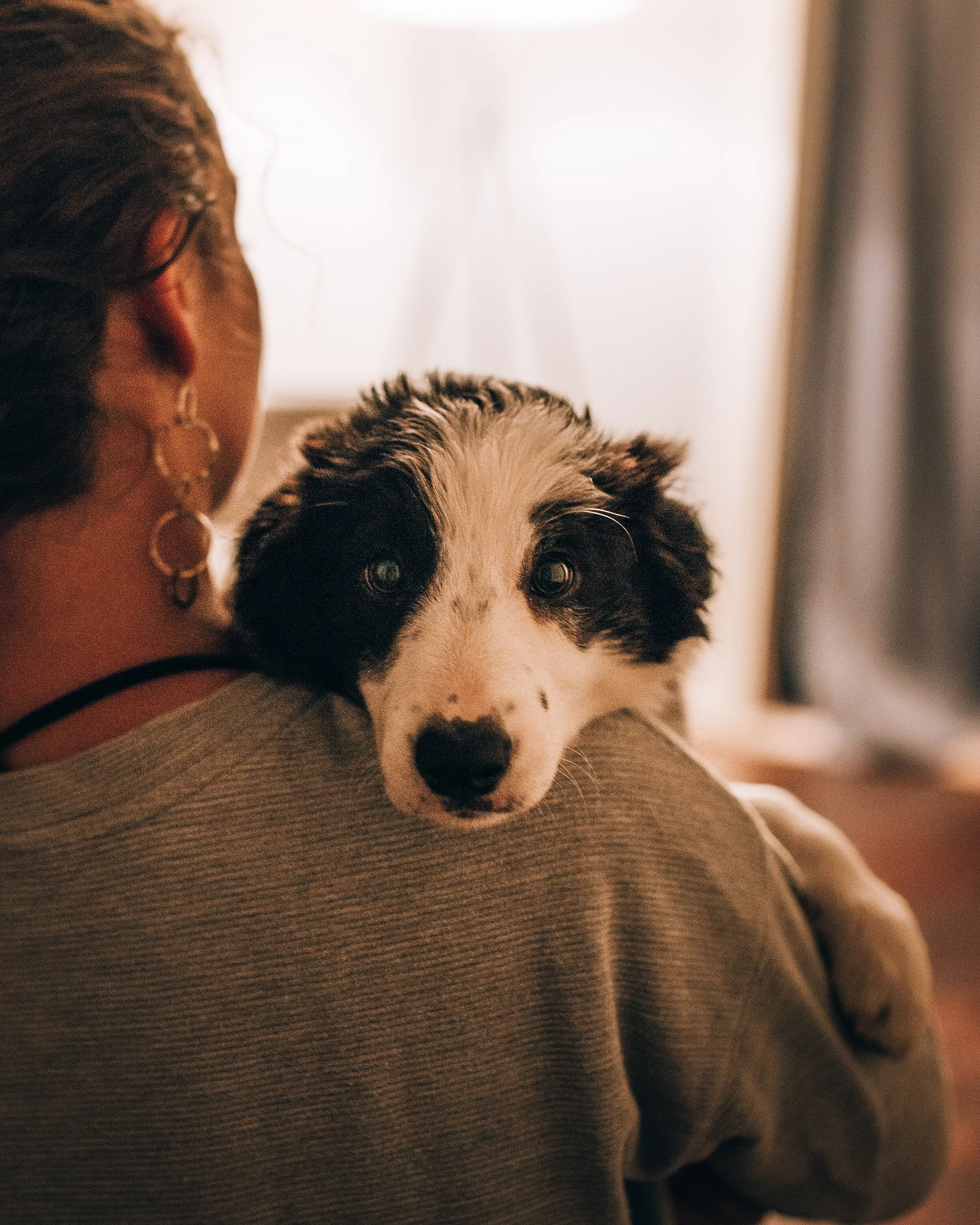
During the first six months of your puppy’s life, they will be learning where and when they eat, sleep, play, train, and go to the bathroom. Establishing specific times when these things happen creates healthy behavior, and encourages their confidence and bond with you. Puppies quickly pick up on routines and what’s coming up next, so use this to your advantage! Repeated inconsistencies in their schedule can lead to unpredictable potty accidents, poor eating habits and even them showcasing more undesirable behaviors such as increased barking or nipping. Decide on a schedule early on that makes sense for you and that you can introduce to your puppy from day one so you can avoid unnecessary stress and help get your puppy on the right track the quickest!
josh-hild-tkn_izTEVGo-unsplash.jpg

#5 Avoid Baby-Talk

Try to avoid baby talk to your puppy. We are all guilty of this one! It’s tough when you get a new cute puppy to not squeak about how adorable they are! The fact for some puppies is that they are often a little nervous or overly rambunctious when you first get them and a high-pitched voice doesn’t help to soothe your pup. It can actually accidentally cause over-excitement and even anxiety for your little one. We want your puppy to see you as someone to lead them and help guide them, as well as love them. When your puppy encounters something scary, like a vacuum, you want to redirect your puppy with food or a toy in a confident and motivating tone of voice. Think more like a track coach motivating you to keep running. In other daily interactions with your puppy, keep a more calm tone of voice. This will help your puppy feel more stable, whereas doing a lot of excited or high-pitched baby talk can have the opposite effect.

Letting your puppy free-feed or have access to water at all times can lead to more potty accidents. Putting your puppy on a feeding schedule and monitoring their water in-take can help make the potty training process much easier!
— Tip from The Puppy Academy Trainer, Megumi

#6 Don’t Punish Your Puppy for Potty Accidents in the House

Using any form of physical punishment in puppy training isn’t effective and in fact, can lead to creating a fearful pup! We’re human and sometimes when we find a potty accident in our home, it’s easy to become frustrated. The important thing to remember is: don’t get emotional, they’re only a puppy and they’re still learning! Don’t push their snout into the mess, or scold them after the fact! Truthfully, puppies don’t understand that you’re upset about the potty accident, but they do understand your emotions. Some puppies might even start to become secretive about where they eliminate and this really delays potty training! If you find a potty accident in your home, don’t scold your puppy but simply clean it up and continue providing them boundaries to avoid future unpredicted potty accidents. If you do happen to catch your puppy in the act of having an accident, keep calm, redirect their attention, and take them outside immediately.

#7 Sit, Sit, Sit! Avoid Repeating Commands

@little.fit.ollie

@little.fit.ollie

If you started training on your own, one common mistake new owners make is falling into the trap of repeating a command like “Sit” over and over again, then praising their puppy. Why is this bad? When you repeat a command too many times, you’re actually desensitizing your puppy to the meaning of the word. Instead of it being a direct and clear command for your puppy to follow, your puppy will start to tune it out and ignore you. Don’t beat yourself up over this! It’s a common mistake for a reason. A puppy trainer will guide you through the proper steps to teach your puppy at home how to get them to successfully listen to the command once, and then receive praise or a food treat to encourage them to repeat that great behavior. 

#8 Not Socializing Your Puppy

Although socialization isn’t something you can immediately do until your puppy has received their vaccination rounds from their veterinarian, it should be one of the first things on your list once they are ready! Remember #1 Not Starting Puppy Training Early Enough? These two mistakes go hand in hand! By entering your puppy into a puppy training class, you’re essentially socializing them with other puppies and people! It’s a safe and controlled environment where they can learn how to interact with other people and puppies the right way, and have some fun while they do it! 

You can encourage your puppy to socialize with other dogs, but never force them to. Some pups may be shy and need longer to warm up, and sometimes different personality types or energy levels just aren’t a good match.
— Tip from The Puppy Academy Trainer, Jessica

What to Buy for Your New Puppy

You’re preparing to welcome your new best friend to your home. The first few stages can be overwhelming for a new puppy owner. A great way to relieve some of that stress is to prepare beforehand! 

Screen Shot 2019-12-27 at 5.55.00 PM.png

In our last blog, we covered some important puppy-proofing tips to get your home ready to welcome your new puppy. Everything from safety checks around your home, family responsibilities, picking a veterinarian, and basic puppy supplies to help get you started. But let’s dive into what some of these items are for, what you should be looking out for and answer any more of your burning puppyhood questions!

Start with the Basics

A great place to start is with basic items that every growing pup needs; a collar, I.D. tags, four or six-foot-long leash, food and water bowls, high-grade puppy food (including healthy treats), a harness (a flat collar can do damage to the trachea of a puppy pulling on their leash), and a comfy bed to rest their little furry heads. These are the items that you and your puppy will use daily so they should be the first things you add to your cart!

Picking Your Puppy’s Food

A good diet from a young age will encourage a long and healthy life for your puppy. And maintaining a healthy diet will also help you avoid some costly vet visits, medication, and other health-related expenses. Before committing to a specific food brand, you may want to look into the different options available for your puppy like kibble, cooked food, freeze-dried or raw diet. Today, if you visit a local pet store, you’ll encounter a variety of brands that promote different ingredients to support healthy growth. But before you make a purchase, take some time to do a little research on the different brands that you’re considering to use. 

For the first year of your puppy’s life, they’ll be growing quickly and need puppy food that will support their developmental needs. Keep in mind that certain puppy breeds require different types of nutrition. If you have a large breed puppy like a German Shepherd, you can consult your puppy’s breeder or a vet for recommendations they have about feeding your pup.By honing in on the individual needs of your puppy, you can effectively narrow down the brands that make puppy food tailored to those needs. 

Make sure to read the ingredients on the back label of your puppy’s food and their treats if you plan to give them treats outside of their regular food! Our advice is to stay away from brands that include by-products or any fillers such as corn, wheat, and soy in their ingredient list.

SIGN UP TO JOIN RECEIVE OUR PUPPY BLOGS AND TRAINING TIPS!

Food and Water Bowls

Although this one seems like a no-brainer, there are a couple of things to keep in mind when selecting food and water bowls for your new puppy. Ceramic or stainless steel bowls are a great option to buy as they are easy to clean, maintain an even cool temperature, and don’t harbor bacteria like plastic bowls. Puppies can be messy eaters so think about purchasing bowls with non-slip rubber bottoms or adding a silicone mat to help them avoid sliding out when eating and making a huge mess for you to clean up!

@maui_thegoldenpup

@maui_thegoldenpup

Some large breed puppies benefit from different types of feeding setups for their fast-growing bodies. Elevated bowls on a metal or wood stand are great for larger puppies as they place less strain on their heads and necks, make digestion easier and are overall great for breeds that could suffer from mobility and joint issues later in life. But choosing to feed your puppy with an elevated bowl really comes down to their size and needs so it’s not a requirement for all puppies.

Crate and Bed for Your Puppy

When thinking about what to buy for your puppy, we recommend adding a crate and dog bed to the list! We have an entire crate training blog with different types of crates, uses, and crate training tips that will help you make an informed decision about what crate to buy! A crate will essentially become your puppy’s personal space where they feel comfortable and safe. It’s an immensely helpful tool to help in potty training, aid in separation anxiety and building confidence in your puppy. 

@beaglesmile

@beaglesmile

Along with a crate, you will also need a dog bed or a cot so your puppy can rest. Like many of us, we like different types of beds depending on how we like to sleep. Warm and plush or firm and cool -- think about your puppy’s coat as some pups with thick fur tend to overheat and instead prefer cooler areas to sleep!

Tools for Puppy Training

Like we mentioned in our Bringing Home Your New Puppy blog, part of puppy-proofing is creating a designated space in your home where your puppy can sleep, play and eat. Your list of what to buy for your puppy should include baby gates or a playpen that you can easily set up to create a safe space for your puppy and while you are potty training your puppy as well as creating boundaries in the home. 

Basic obedience training starts at home and by giving your puppy early boundaries, you’re starting to show them what they can and can’t do. Doing this, you are limiting the areas they have access to as well as the chances of them getting into areas they shouldn't be and having potty accidents there.

Keep Your Puppy Squeaky Clean

Even if you plan to take your puppy for routine grooming, all puppy owners can expect to do some basic grooming at home. Regularly brushing your pup’s coat keeps them looking shiny and avoids any unwanted matting from happening in between grooming sessions. Go with a brush according to your puppy’s coat type (short fur, long fur, de-shed, etc.) and that matches their size. If you have a very small or toy sized puppy some cat brushes come in smaller sizes and may work better for you!

@gannicus_thefrenchbulldog

@gannicus_thefrenchbulldog

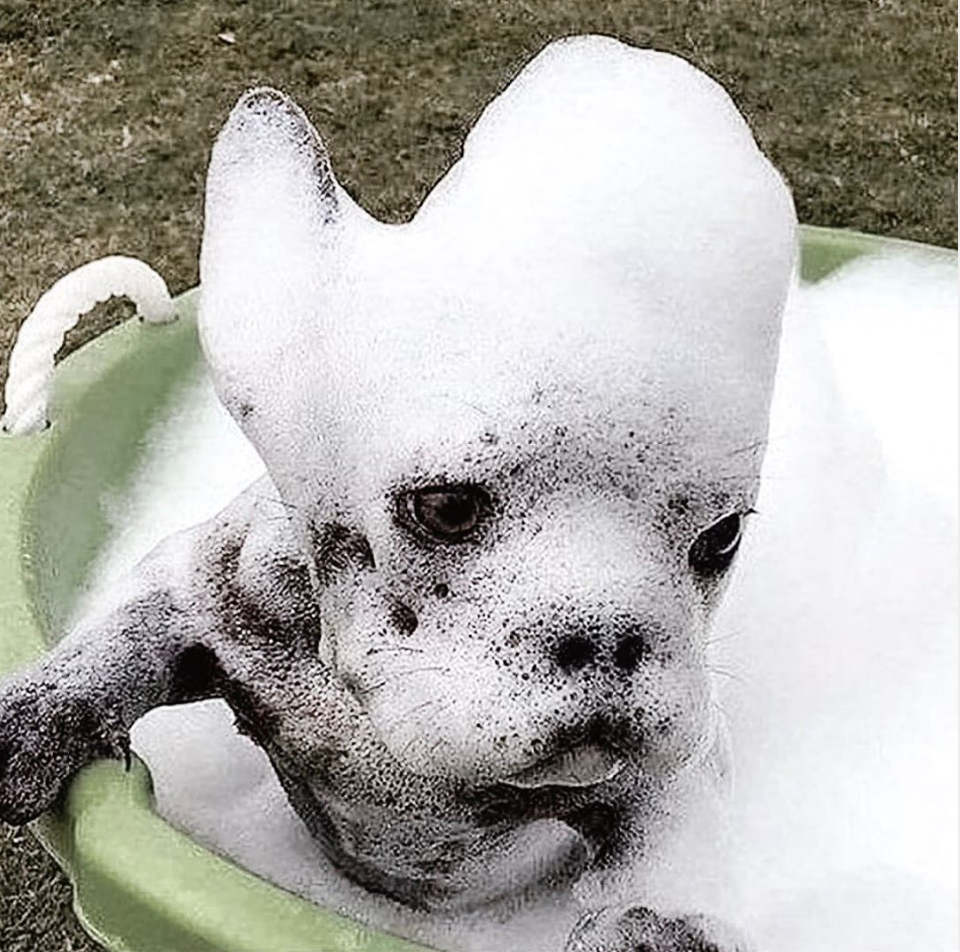
You’ll also need to bathe your puppy with a gentle formula shampoo and conditioner made specifically for dogs. Stick to a natural formula and don’t use human products that can be harsh and irritate your puppy’s skin. In the beginning, however, you’ll want to avoid over-bathing your puppy as their skin is still sensitive, and bathing too often can strip away at the natural oils from their skin, which causes irritation and dryness. So for those accidents that happen in between baths, cleansing wipes, and refreshing sprays are great for keeping your puppy fresh!

Don’t forget their teeth! Toothbrushes with two different size bristles are a great option for all size pups. The most important thing is to make sure you remove any remaining pieces of food in their gum line. Regular brushing is a great way to avoid early gum disease (which can develop into a more serious health issue later in life) and tooth discoloration.

NEW PUPPY? SIGN UP FOR FREE TRAINING TIPS AND LEARN ABOUT OUR ONLINE PUPPY SCHOOL!

Cleaning Up After Your Puppy

Accidents are a guarantee with any new fur baby. Although these moments of "oops" can be frustrating on their own, being unprepared will only add to those feelings. Have paper towels, pet-safe enzyme spray for stain and odor removal, poop bags, pee pads, and a pet-safe disinfectant ready for those unplanned incidents! 

Cleansing wipes are also super handy for clean-ups and not just grooming. Use them to wipe your puppy’s dirty paws, spot cleaning and to help with potty training cleaning. Another useful hack: cut up pee pads into smaller squares and keep them around the house. In a pinch, they’ll be available to easily soak up unexpected accidents.

Time for Play

Keep your furniture, hands, and ankles bite-free by redirecting your puppy to yummy chew toys instead. During the first few months of your puppy’s life, they will be teething and need chew toys to relieve their gums. Chew and rope toys are also a great way to start introducing your puppy to proper play manners, help correct unwanted nipping, and train the “Drop-It” command. 

darinka-kievskaya-ff221Bu56mI-unsplash.jpg

Interactive toys like treat-dispensing Kongs, for example, are also great ways to keep your puppy busy and chewing on the right thing while being rewarded by the food inside as they do so! Keeping your puppy engaged helps to stimulate their brain and fulfill their drive to prey, while at the same time rewarding them for playing with a toy instead of chewing up your favorite pair of shoes.

WANT TO LEARN MORE ABOUT PUPPY TRAINING? SIGN UP TO RECEIVE OUR PUPPY BLOGS AND TRAINING TIPS!