Quick Answer:
If you need to leave your puppy alone for several hours, the safest setup is a contained area that allows sleeping space and a potty area. At The Puppy Academy, we typically recommend either a large crate with a potty zone or a secure puppy pen setup with a crate inside when puppies need to be left alone for several hours. Avoid setups where puppies can climb, get stuck, or chew unsafe items, and always monitor new setups with a camera until you know your puppy handles it well.
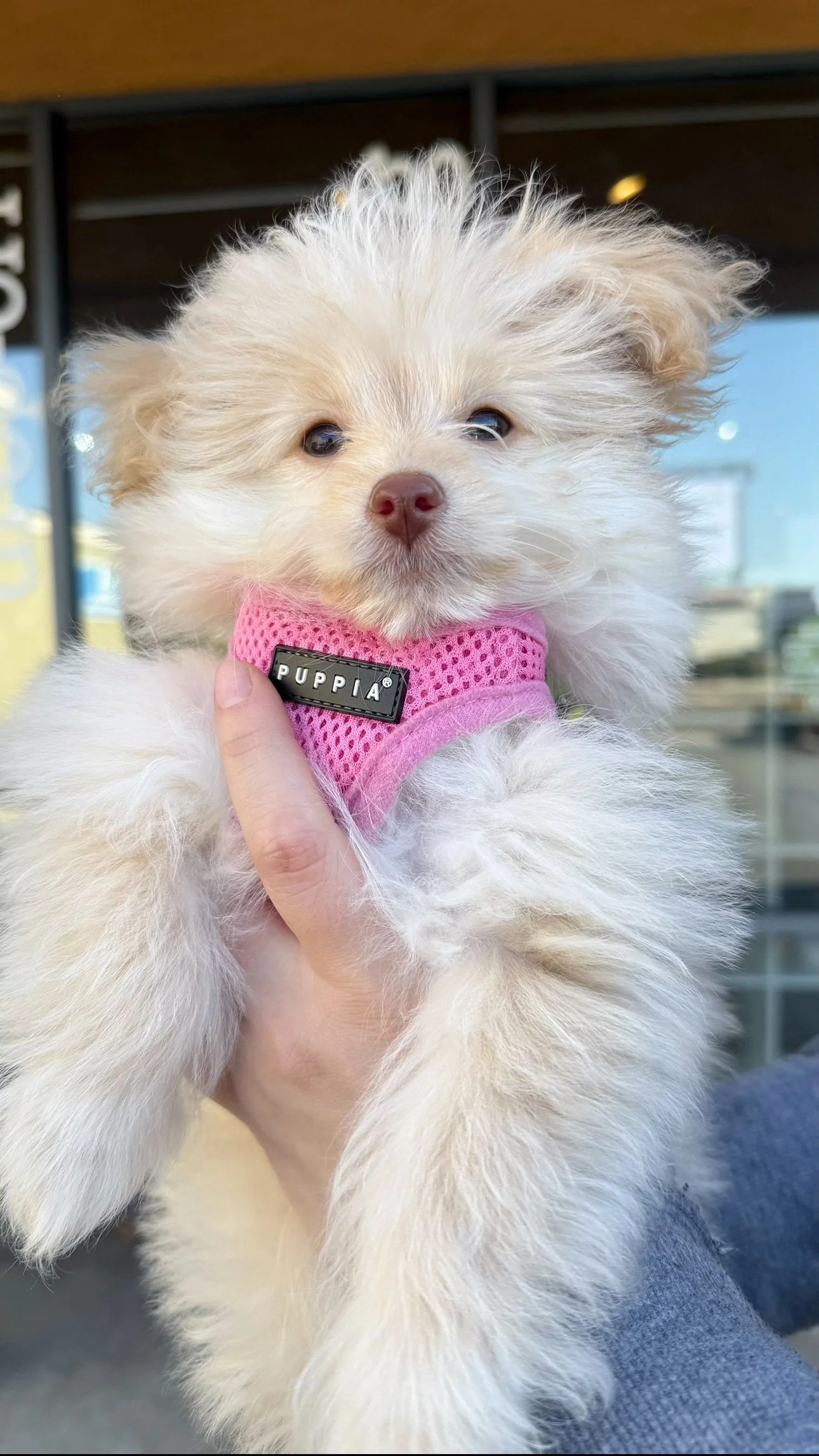
The Puppy Academy student, Ginger!
One of the most stressful questions new puppy parents ask is:
"Where should my puppy stay when I'm not home?"
Leaving a puppy alone for the first time can feel overwhelming. You want them to be safe, comfortable, and not develop bad habits like accidents everywhere or destructive chewing.
The good news is that with the right setup, most puppies learn very quickly how to relax and settle when you're gone.
The Goal of a "Home Alone" Puppy Setup
When you leave, your setup should accomplish three things:
Keep your puppy safe
Prevent destructive habits
Support potty training progress (as much as possible)
Young puppies cannot hold their bladder for long periods yet, so expecting them to stay in a small crate for many hours is unrealistic.
Instead, you want a structured but slightly flexible environment.
How Long Can a Puppy Be Left Alone?
Young puppies cannot stay alone as long as adult dogs yet. Their bladder control, energy levels, and emotional maturity are still developing.
As a general guideline:
8–10 weeks: about 1–2 hours
10–12 weeks: about 2–3 hours
3–4 months: about 3–4 hours
4–6 months: about 4–5 hours
Every puppy is different, but expecting very young puppies to stay alone for long stretches can lead to:
potty accidents
frustration or barking
developing bad habits
If you need to be away longer than your puppy can reasonably handle, consider arranging:
a midday potty break
a dog walker
or help from a friend, neighbor, or pet sitter.
As puppies mature, they gradually gain the ability to stay alone longer and relax comfortably during those periods. Monitor your pup so you can gage how they do and if they can handle shorter or longer alone periods.
Option 1: Large Crate with a Potty Area
One common setup is using a larger crate that includes two zones:
A sleeping area
A potty pad or grass patch area
This gives your puppy enough space to move around while still maintaining structure.
This approach works well for:
small breed puppies
younger puppies still building bladder control
Many pup parents place the potty area on one side and the crate bed on the other so puppies naturally separate sleeping and bathroom spaces.
Option 2: Puppy Pen with a Crate Inside
Another popular option is a puppy playpen (also called an exercise pen) with a crate inside.
The crate door stays open so the puppy can choose to rest inside.
The pen can include:
a bed or crate
a potty pad or grass patch
safe chew toys
This setup creates a small "studio apartment" for your puppy while you're away.
However, it's important to choose a secure pen that cannot easily tip over or be climbed.
Safety Warning About Some Playpens
Not all playpens are equally safe.
Metal bar pens can occasionally cause issues if puppies repeatedly jump up on them. In rare cases, paws can get caught in the bars.
Safer options include:
sturdier pens
clear plexiglass-style pens
setups where the top is partially covered
Always observe your puppy on camera the first few times you leave to make sure they aren't trying to escape or climb.
Should Your Puppy Have Water While You're Gone?
For shorter periods (around 4–5 hours), most puppies do not need constant access to water while confined.
For longer absences (6–8 hours), some owners choose to add:
a small water dish
a mounted water bottle designed for dogs
Just make sure it cannot be tipped over easily.
Cameras Are Extremely Helpful
One of the best things modern puppy owners can do is use a pet camera.
A camera lets you see:
whether your puppy is relaxing or pacing
if the setup is working
whether adjustments are needed
Most puppies actually spend the majority of alone time sleeping once they settle.
Avoid Giving Too Much Freedom Too Soon
One of the biggest mistakes puppy parents make is allowing too much access to the home before the puppy is ready.
Too much freedom can lead to:
potty accidents
chewing furniture
practicing unwanted behaviors
getting into things they shouldn’t
A smaller structured space helps your puppy learn calm habits first, feel more comfortable, be able to settle faster, and be kept safe.
As they mature and gain reliability, their freedom can gradually expand as they can be trusted more. More structure while they’re young = more freedom when they’re older.
What If Your Puppy Struggles When You Leave?
Some puppies may bark or protest initially when you leave.
This is normal for many young dogs, especially during the adjustment period.
Consistent routines, appropriate exercise before confinement, and calm departures usually help puppies learn that alone time is simply part of the daily rhythm.
Want a Step-by-Step Puppy Training Plan?
Our Online Puppy School was designed especially for first-time puppy parents, giving you a clear step-by-step plan for crate training, potty training, biting, and everyday puppy behavior — plus weekly live Q&A support so you're never guessing what to do next.
You'll get step-by-step lessons plus weekly live Q&A support so you're never guessing what to do next.
This question originally came up on our Ask A Puppy Trainer podcast, where our trainers discuss age-specific puppy behavior in more depth. You can listen to the full episode here → on Apple Podcasts or on Spotify.
Have more questions about your puppy? Ask our trainers LIVE every Wednesday at 1 pm PT on our Instagram @thepuppyacademy during our Ask A Puppy Trainer Show! All replays are posted afterward, and you can catch up on our last ones on our YouTube channel or Podcast.
Become a Puppy Academy VIP (Very Important Puppy) to get our latest puppy training tips direct to your inbox, for free, each week!
This article is part of our Puppy Behavior Basics series.
Related Puppy Training Help
If you're working on alone-time routines, these resources may also help: