Quick Answer:
If your puppy barks when you leave, it’s usually due to lack of independence, too much buildup around departures, or unclear structure when alone. The fix is to teach your puppy how to settle before you leave, keep departures low-key, and build gradual independence so being alone feels normal — not stressful.
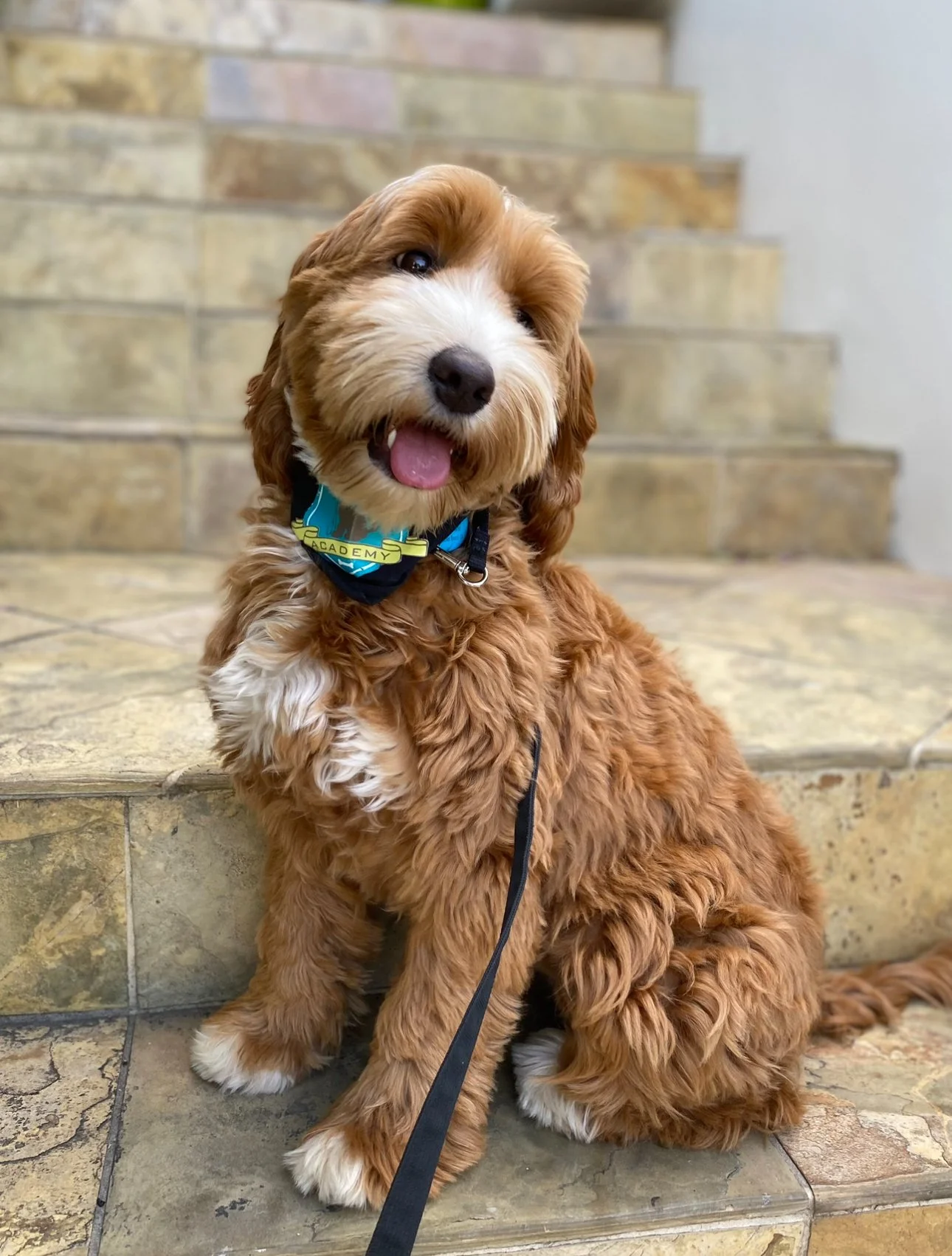
The Puppy Academy student, Coco!
You grab your keys…
Your puppy notices.
You walk toward the door… and suddenly they’re alert, following you, maybe even starting to whine.
The moment you leave?
Barking. Crying. Chaos.
This is one of the most common (and stressful) things new puppy parents deal with — especially if you’re worried it’s turning into separation anxiety.
This is something we see all the time with puppies at our school — especially in the early stages when they’re still learning how to be independent.
The good news: in most cases, this is very fixable.
Why Puppies Bark When You Leave
Before trying to fix it, it helps to understand what’s actually happening.
Most puppies aren’t barking because they’re being “bad.” They’re still learning how to be calm and settled without constant access to you.
They’re reacting to:
sudden loss of access to you
lack of independence skills
over-attachment to constant presence
built-up excitement or anxiety around departures
In other words:
Your puppy is still learning that being alone is safe, normal, and temporary — and that comes from structure, not just time.
Step 1: Stop Creating a “Big Deal” Around Leaving
One of the biggest mistakes puppy parents make is unintentionally building anticipation around departures.
Examples:
talking to your puppy before leaving
giving extra affection right before you go
saying goodbye in an emotional way
This teaches your puppy:
“Something important is about to happen.”
Instead:
keep departures calm and neutral
no big goodbyes
no last-minute hype
You want leaving to feel boring and predictable.
Step 2: Practice Independence While You’re Home
If your puppy is always with you, they never learn how to be alone.
Most of this comes down to structure. Puppies that haven’t been taught how to settle on their own during the day will struggle when they’re suddenly left alone.
Start building independence during the day in a structured way:
place your puppy in their crate or pen while you’re home
move around the house without them following
create short periods where they settle without access to you
This teaches:
“I can relax even when I’m not right next to my person.”
Step 3: Teach “Settle Before You Leave”
At The Puppy Academy, we don’t wait until you leave to work on this — we build these skills throughout the day so puppies already know how to settle before they’re ever left alone.
Don’t leave when your puppy is:
excited
following you
already anxious
Instead, aim to leave when your puppy is:
calm
settled
ideally resting in their crate or space
If needed, guide them into a calm state first:
short walk or play session
brief training
then structured calm time (crate/place)
Leaving from calm changes everything.
Step 4: Use Gradual Departures (This Is Key)
Going from:
➡️ “always together” → “gone for hours”
…is a big jump for a puppy.
Instead, build up gradually:
step out for a few seconds
come back in before they escalate
repeat and slowly increase time
This helps your puppy learn:
“You leave… and you always come back.”
Step 5: Make Sure Needs Are Met Before You Go
Before leaving, check:
potty needs handled
physical exercise completed
mental stimulation provided
A puppy with pent-up energy is far more likely to bark and struggle when left alone.
What About Separation Anxiety?
This is where a lot of puppy parents worry.
Most cases of barking when you leave are not true separation anxiety — they’re a lack of training and independence.
Signs it may be more serious:
extreme panic immediately when you leave
self-harm or attempts to escape
inability to settle at all over time
If you’re seeing those, a more structured plan is needed.
What Success Looks Like
Over time, your puppy learns:
departures are no big deal
being alone is safe
calm behavior gets repeated
Instead of reacting when you leave, they begin to settle and rest.
Be Consistent — That’s What Creates Change
This is where structure really matters. The more predictable your routine is, the faster your puppy understands what’s expected of them.
This isn’t about one perfect departure.
It’s about:
consistency
repetition
clear structure
The more predictable you are, the faster your puppy adapts.
Want a Step-by-Step Plan?
Most puppy struggles around barking, crate training, and independence come down to structure.
Our Online Puppy School was designed especially for first-time puppy parents, giving you a clear, step-by-step plan for routines, crate training, and building calm, confident behavior — plus weekly live Q&A support so you’re never guessing what to do next.
You don’t have to figure this out on your own.
This question originally came up on our Ask A Puppy Trainer podcast, where our trainers discuss age-specific puppy behavior in more depth. You can listen to the full episode here → on Apple Podcasts or on Spotify.
Have more questions about your puppy? Ask our trainers LIVE every Wednesday at 1 pm PT on our Instagram @thepuppyacademy during our Ask A Puppy Trainer Show! All replays are posted afterward, and you can catch up on our last ones on our YouTube channel or Podcast.
Become a Puppy Academy VIP (Very Important Puppy) to get our latest puppy training tips direct to your inbox, for free, each week!
This article is part of our Puppy Behavior Basics series.
Related Puppy Training Help
If you’re working on independence and crate training, these may also help: