Know the Risks of Foxtails for Pups!

With the start of the summer season, plants are sprouting left and right, including one annual grass that releases what is called Foxtails. But these seeds pose some serious risks to our pups’ paws, eyes, legs, and noses! 
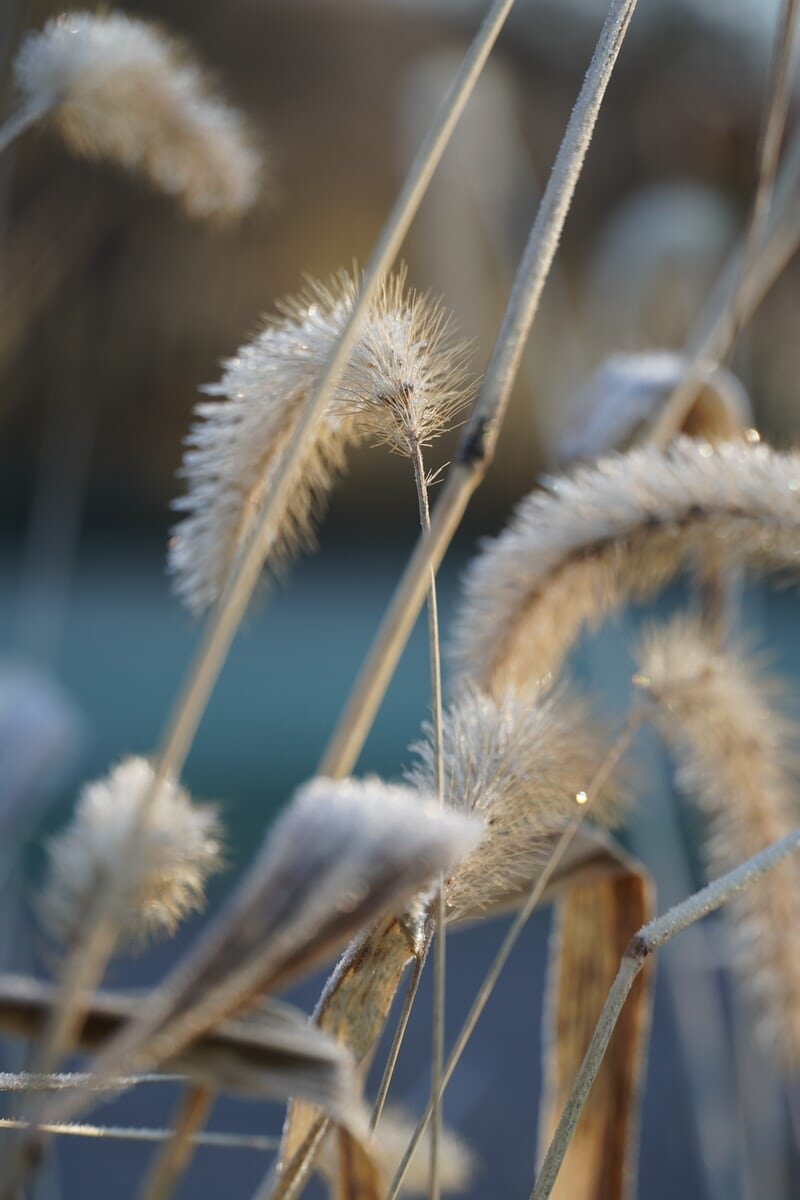
photo-1576093617351-1f42a189b4c4.jpeg

What are Foxtails?

Unlike their name sounds, no these aren’t the fuzzy tails of cute wild foxes but the ends of certain grasses that sprout over the summertime. Their fuzzy tail-like ends contain individual seeds that when dried out, disperse and they are uniquely designed to latch on and burrow deeper onto an object with each movement. Since our pups love to romp around in the grass, they are at great risk of picking up these prickly hitchhikers!

Foxtails can be found in areas such as grasslands, roadsides, marshes, and most trails. If you plan on taking your puppy out with you for some hiking and exploring, these seeds pose a serious risk to your pup’s health if you aren’t aware of the symptoms and quick treatments. 

BROUGHT HOME A NEW PUPPY THIS SUMMER? LEARN ABOUT ONLINE PUPPY TRAINING!

How to Prevent Foxtails in Your Puppy

joe-caione-KVeogBZzl4M-unsplash.jpg

As with many things related to puppy care, prevention is key, so making sure that you are consistently checking your puppy for foxtails will help prevent a more serious health issue down the road!

During foxtail season which is typically the months of May through December, check your puppy’s coat, paws and in between their toes, nose canal, mouth and throat, their ears, and their belly and legs. Run your fingers through their coat, brush them regularly, or get them groomed in order to find and remove foxtails as often as possible. 

But the best method is avoiding areas where there are foxtails altogether! Keep a lookout for foxtails and try to keep your puppy from playing near or running through tall grassy areas! 

What are the Symptoms of Foxtails
photo-1588943211346-0908a1fb0b01.jpeg

After visiting a location where there are foxtails growing, monitor your puppy for any changes in their behavior! These are the telltale signs to look out for:

Paws: 

If you notice that your puppy is excessively licking their paws or in between their toes or if you notice swelling or any small bubbles in their skin, that could indicate that there is a foxtail under your pup’s skin or stuck in the surrounding fur, causing irritation.

Nose:

Your puppy may exhibit excessive sneezing, pawing at the nose, or even a runny (sometimes can be bloody) nose which indicates that there might be a foxtail that has burrowed into their nasal cavity. 

Eyes:

Look out for excessive tearing, pawing at the eyes, squinting, or if their eye appears glued shut for a possible foxtail in your pup’s eye.

Ears:

Foxtails can also burrow into your pup’s ears so be aware if they start to exhibit head tilting or excessive head shaking. Also try to look into their ear to see if there is any redness, discharge, or strange odor.

Mouth:

You might notice your pup will gag, cough, or show exaggerated swallowing movements to show that they are uncomfortable and possibly have a sore throat. Make sure to check your pup’s mouth for foxtails that could have lodged onto their tongue or back of their throat.

Belly:

Check your pup’s delicate belly for any foxtails. You may not notice them right away but keep a lookout for any redness, sores or swelling.

LEARN HOW TO CARE FOR AND GROOM YOUR PUPPY! JOIN THE WAITLIST FOR ONLINE PUPPY TRAINING!

How to Remove Foxtails

Help prevent foxtails from becoming more of a danger for your pup by checking their fur regularly and immediately removing any that may be stuck. Grooming your puppy on a regular basis can help combat against foxtails!

If a foxtail has burrowed into your pup's skin or pad, they can be removed with a pair of blunt-tip tweezers. Gently extract the foxtail by pulling on the exposed end without breaking it.  Any smaller pieces left behind can continue to burrow into your pup and will be harder to extract. Don’t use your fingers as this can spread germs into the wound and the foxtail could accidentally poke you!

Definitely consider taking your pup to your veterinarian to help extract the foxtails and to properly clean the wound especially if they are lodged in more difficult areas to access like the eyes, ears, and nostrils, so they can safely remove and properly clean any wounds to avoid infections. If you already removed the foxtail on your own at home, keep an eye on it for any signs of infection and continue to monitor your pup’s behavior for any abnormal changes!

photo-1581527106942-3c2c6b0bbe63.jpeg

Alongside hot weather safety for your puppy, foxtails are another summertime concern that you should regularly check your puppy for especially if you live in an area where they are prone to grow! Many new owners are not aware of foxtails and the risks they pose to their pups’ well-being. Not knowing the proper precautions, symptoms, and how to treat foxtails can potentially lead to a serious health concern later on and not to mention, cause your puppy to experience unnecessary discomfort and pain. Help spread the word to other new puppy owners by sharing this blog!

PUPPY TRAINING NEVER GOT EASIER! DO IT RIGHT FROM HOME! ENROLL IN ONLINE PUPPY TRAINING!

Check out these blogs related to puppy training and more!

Hot Weather Safety Tips for Your Puppy!

Keep Your Pup Fresh! How to Clean Your Puppy!

How Does Online Puppy Training Work?

Keep Your Pup Fresh! How to Clean Your Puppy!

Did you know that training your puppy involves more than just basic obedience? Getting your puppy used to being handled and groomed is an essential part of their life! Not only will it ensure your pup is comfortable being touched in all sorts of ways, it keeps them clean and helps you maintain their general well-being!

If you’re like us, then you love that new, soft puppy smell! Keeping your puppy clean is a total no brainer for us but for a young puppy, getting brushed, nails clipped, teeth brushed and bathed -- talk about overload! The sensory experiences can be a little scary at first. But as this will become a part of their life, you want to make sure those first introductions to grooming are pleasant ones for them (and to ensure all future experiences are pleasant for you!) so in time they will start to enjoy getting pampered! Here are our recommendations on how to clean your puppy yourself!

Getting Them Comfortable with Handling

@tofu_corgi

@tofu_corgi

First, you’ll want to get your puppy comfortable with being touched in different areas of the body. This is important as your puppy goes to visit the vet, groomers, and just in general when being pet by other people. One method we like to recommend is that you hold your puppy with your arm in between their legs, so their chest and belly are resting on your forearm and their rear is tucked in your elbow. This position helps your puppy to feel comfortable when carried and makes it easier to maneuver them when grooming. If you’re just starting to try handling your puppy for grooming, we recommend that you try this when your puppy is sleepy or in a calmer state! From this position, you can slowly touch different areas on your pup beginning with their back, shoulders, chest, and legs. If they are comfortable, then continue over to their stomach, ears, face, paws, pads, and tail. Make sure that while you are handling them, you give them a reward and say “Good!” so you can begin to positively condition them to this experience!

LEARN ABOUT HOW TO HANDLE AND GROOM YOUR PUPPY! REACH OUT ABOUT OUR ONLINE PUPPY TRAINING CLASSES!

Research Your Pup’s Breed’s Grooming Needs

Bathing a puppy doesn’t have to be as often as you think! We recommend that before you bathe your pup, do some research on your pup’s breed’s specific needs. How often you bathe your puppy really comes down to if they really need to be cleaned after getting dirty. Not all dogs require constant grooming and young puppies, in particular, have natural oils on their skin and fur that help to repel dirt. Constant washing can actually strip away those necessary oils! Some puppies may need a full bath with water and shampoo (this also depends on the level of your activity!) while other puppies are totally fine with a wet wipe down. 

Just as with bathing, not all pups will require constant brushing. When it comes to keeping their fur tangle-free, it really depends on their breed and each individual pup’s coat. Puppies with very long thick fur may require more regular brushing and trimming to avoid matting or excess shedding, while some puppies with short fur could do with just intermittent brushing! 

How to Brush Your Puppy

Get your puppy used to being brushed by slowly introducing them to a brush. Look into what type of brush bristle works best for your pup’s coat. As a general rule, since you want your pup to enjoy the brushing experience, start them off with a soft bristle brush. Place the brush in front or next to them (without brushing at this point) and use reward-based training. If your puppy is calm as you are handling them and with the brush present, then reward your pup with a treat!

After your puppy is comfortable with the brush just being close to them, you can start to slowly introduce actual brush strokes. Try a few, gentle strokes at first on their chest or back, and if your puppy is calm, give them a reward. As you continue to do this, you’ll be able to increase the number of brush strokes and length of time you brush your puppy. Make sure that you check in on your puppy’s reactions and that they are comfortable. If you notice your puppy starts to get upset, apply less pressure on the brush or stop brushing for the day and pick it up another time! Always try to end the session on a good note, whenever possible!

Pro tip: The key is not causing your pup any discomfort and creating a positive experience for them while getting brushed. If your puppy has any bad knots or mats in their fur, rather than trying to brush them out which can pull their skin and be painful, instead carefully cut them out using round-tipped grooming scissors.

DOES YOUR PUPPY FIGHT YOU WHEN IT’S TIME FOR BRUSHING OR BATH TIME? WE CAN HELP!

How to Bathe Your Puppy

@toasterdoodle.diaries

@toasterdoodle.diaries

Just like brushing, you want to slowly introduce your puppy to their new bath routine! How to bathe your puppy depends on where you plan on bathing your puppy (for example, your bathroom tub), getting them used to being in that setting, and used to the equipment you’ll be using. If this is in your tub, first have them get used to being in there with no water, and reward them with treats to make that good association to it!

Then turn the tap on low to let your and let your puppy get used to the sound of the water and standing in the tub with water. Remember to make the water a comfortable temperature and reward your puppy for being calm! Don’t try to rush your puppy into a bath if they are uncomfortable, and they may need some more time to build up their confidence in this new setting and experience with water.

Instead of using the tap or showerhead, wet and rinse your puppy using a cup or pitcher, starting from their back and gradually working your way up to their head. The noise and pressure from the faucet can be scary for a pup’s first bath time! If your pup is already good with being handled, shampooing them should go pretty smoothly. Use slow, massaging motions as you lather the shampoo on their back, chest, stomach, legs, paws, and tail, keeping their head for last. Then rinse thoroughly by slowly pouring the water from your cup or pitcher over them. Repeat the process with the conditioner! Throughout this activity, remember to keep rewarding your puppy when they’re doing good to help create the best experience possible for them!

Pro tip: For fussy pups, keep their head dry until the very end. This can help them stay calmer and more tolerant of the bath for longer! Wash and rinse your pup’s entire body first before touching their head to see if you notice a difference. Also, using a 2-in-1 Shampoo/Conditioner can help speed the bathing process up for you and your pup too! Make sure you’re always using a puppy-formula instead of human shampoos, as our products can be much too harsh for a pup’s delicate skin!

How to Brush Your Puppy’s Teeth

@maca.the.cavapoo

@maca.the.cavapoo

There are a variety of toothbrushes and finger brushes available so it’s up to you which one you feel most comfortable with using on your puppy! Finger brushes can be great for young pups who still have their puppy teeth to introduce them to brushing, but when they get their adult teeth, using a toothbrush with actual bristles will help keep the tartar from building up on their teeth and gum line, which can cause issues down the line. A toothbrush with a long handle will also help you reach those difficult back teeth!

Get your puppy used to the toothbrush first by bringing it to their mouth along with a treat. Give them the treat so your puppy can associate a positive reward with the toothbrush. As your puppy begins to feel comfortable with the brush close to their mouth, you can use one hand to open their mount and the other to brush. Do this slowly at first and give your puppy a reward if they react calmly and are comfortable with the brush strokes. Don’t try to force your puppy to open their mouth and if they bite the brush, that’s okay too! It’s a positive thing that they want it in their mouth, and we work up from that!

How to Trim Your Puppy’s Nails

Many owners opt to have a professional groomer trim their puppy’s nails but if you want to try and do it yourself, here’s how! First, get your puppy used to whatever equipment you plan to use to trim their nails by placing the clipper or demel near your puppy so they become familiar with it being close to them. For the dremel you can turn it on and let your puppy get used to the sound. If your puppy is calm and accepting of it, give them a reward to help them create a positive association with the clipper or dremel! 

Slowly start to bring the dremel or clipper closer to their paw, even tap their nail (don’t trim at this point) with it, and give them a reward as they begin to get comfortable with the equipment touching their paws. Do this a few times, always rewarding them throughout the process, until your puppy feels comfortable before you actually trim their nails! Remember that when trimming your puppy’s nails, always cut the tips and don’t go too deep which can accidentally knick the quick and cause your puppy’s nail to bleed! It can be difficult to gauge where the quick is for puppies with black nails and if you do feel uncomfortable trimming your puppy’s nails, it’s not a bad idea to let a groomer do it for you!

TRAIN YOUR PUPPY TO LOVE BATH TIME, TOOTH BRUSHING, AND MORE! ASK ABOUT OUR ONLINE PUPPY TRAINING CLASSES!

Clean Your Puppy’s Ears and Eyes

Just like with brushing, bathing, and nail trimming, your puppy will need to adjust to getting their ears and eyes cleaned. You can use wet wipes to clean their ears, wiping away excess wax and dirt to help avoid build-ups, irritation, or infections. Puppies with longer, droopy ears are more susceptible to irritation and infections and may require more regular cleaning.

Get your puppy used to the wet wipes first by positively conditioning them to feel the cold sensation of the wipe. To do this, you can start off by holding your puppy on your lap and placing the wipes in front of them along with treats. Let your puppy see the wipes and if they are calm and accepting of the wipes nearby, give them a reward and say “Good!” Slowly start to bring the wipes toward them, and brush the wipe along with their ears. Again, if your puppy reacts well to the feel of the cold wipe, give them a reward, and “Good!” Do this a few times before actually cleaning their ears. Once, they are fully comfortable with the cold feel of the wipe and having their ears touched, go ahead and clean their ears gently. Remember to not go too deep into the ear canal as this can cause discomfort for your pup and hurt them. All you need to do is wipe around the extremity to remove any excess wax or dirt!

For your puppy’s eyes, the process of getting used to the wet wipe is essentially the same as with their ears! Regularly cleaning around their eyes, especially for pups that tend to tear and have longer, white coats, will help remove dark brown stains or any mucus and dirt from their tear ducts that contribute to the staining. If your puppy does have long, white fur around their eyes, you might want to talk with a groomer about trimming the fur short which makes it easier to keep clean!

Knowing how to handle and how to clean your puppy will really go a long way to maintain their well-being and health. Pups can’t tell us if they’re not feeling well so grooming gives you another way to regularly check in on their eyes, ears, teeth, skin, fur, nails, and overall physical condition. Starting your pup off with a hygienic care regimen can help them as they grow and avoid health issues later on in life. Plus it allows them to be comfortable with people touching and handling them just about anywhere they go and anyone they come in contact with as they grow!

Check out these blogs related to puppy training and more!

How Does Online Puppy Training Work?

Create a Daily Schedule for Your Puppy!

Encouraging Good Puppy Playtime Manners!