
Separation anxiety is a real issue puppy owners face but aren’t aware that it can be prevented! Learn how separation anxiety affects puppies, how to prevent it, and if your puppy is already exhibiting certain behaviors, how to spot them and deal with them!
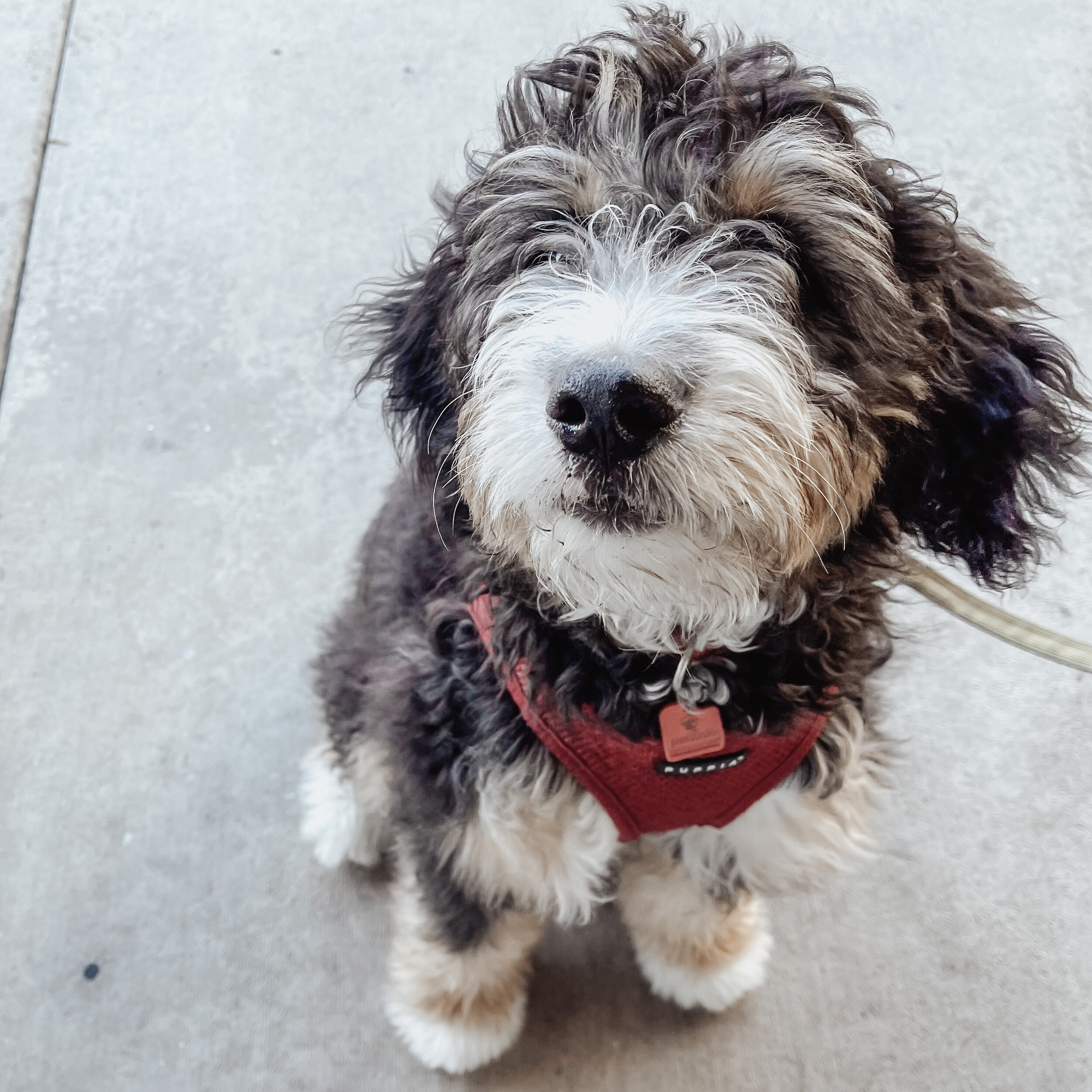
The Puppy Academy student, Buster!
During the Covid-19 pandemic, people found themselves at home and wanting to spend their time with a new best friend. That sudden work-from-home shift spurred the sale and adoption of countless puppies around the entire nation! But what many new puppy owners soon realized with the transition back to the office their stay-at-home best friends weren’t prepared to handle the switch.
We’ve seen it over and over, more pandemic puppies coming into our training school in Hermosa Beach, as well as our online students, all dealing with a surge in sudden anxiety worse than we’ve seen before. Unfortunately, it’s a common issue with puppies in general and can quickly escalate into destructive behaviors that have landed some pups into re-home situations. But our goal for all of our students and for you is to help you work through separation anxiety by understanding how to identify it, prevent it, and the proper way to deal with it until eventually, your puppy overcomes their anxiety of being left alone!
What is separation anxiety in puppies?
Also known as “Isolation Distress”, separation anxiety is a condition where puppies showcase anxious behaviors when left alone or separated from their owner or handler. We define it for our students as an addiction to receiving constant attention. But it isn’t just physical affection that counts as attention. Your presence in the room, even without interacting with your pup, can also justify!
Why is it such an issue for puppies? It comes down to their nature. Puppies aren’t naturally predisposed to be alone. They are extremely social animals that thrive in pack-like environments. But you can prevent separation anxiety by teaching your puppy that being left alone is completely fine and safe.
Before we dive into steps to prevent separation anxiety and how to deal with it for those who are already experiencing anxious behaviors, first we want to help you identify what separation anxiety looks like in puppies!
What are the signs of separation anxiety in puppies?

The Puppy Academy student, Makai!
Truthfully, if you have a new, young puppy you may not be able to tell the difference between normal puppy behaviors from separation anxiety behaviors. Whining is probably the most common and normal behavior puppies exhibit, especially if they were just brought to their new home away from their mom and littermates. The difference between normal whining is that eventually, that whining does start to settle down as your puppy adjusts to their new home.
Adversely, if that whining continues for hours on a regular basis, and escalates from whining to an extremely loud pitch where it almost sounds like your puppy is yelling at you for attention, that is a big indicator of separation anxiety. Other indicators would include your puppy constantly pawing, scratching, or chewing their crate, or playpen in a frantic way as if trying to get out or excessive barking when you walk away. You might even notice that your puppy is showing heavy panting, pacing, and generally looks distressed when you enter the room after leaving them alone. At this point, there’s a strong probability that your puppy has developed separation anxiety and, if it’s not addressed, will only continue.
There is one thing you should understand about separation anxiety in puppies: it’s not necessarily related to something that you did or didn’t do! If your puppy is showing any of these more severe signs at any point, there is a good chance that when you picked your puppy from a litter or shelter, they already came with a personality that may be more prone to anxiety. It isn’t something that you should feel guilty about or think there’s no solution. But you do need to work with your puppy through their anxieties and help them build up their resilience! There are other factors that you are unknowingly doing to contribute to your puppy experiencing separation anxiety and we’ll cover those as we dive deeper!
Prevent separation anxiety in puppies by teaching them how to be alone!

The Puppy Academy students, Clementine, Luna, and Gigi!
As we mentioned earlier, puppies naturally don’t know how to be alone, we have to teach them! Your puppy’s crate is an incredible tool that plays a big factor in teaching this. Incorporating it in your pup’s daily routine will instantly add structure and security for them, and when it comes to separation anxiety, can have huge benefits! To teach your puppy how to be alone, we recommend designating certain times throughout the day that your puppy relaxes in their crate in a separate room away from the family. This way, they can start to get used to not always being surrounded by people, and you’re nearby to monitor if they’re barking, whining, or settling down ok.
When setting up your puppy’s crate, make it a comfortable space your puppy can go to and relax. Place the crate in a quiet room and you can even cover the fronts and sides of their crates with a light blanket to help them settle down faster, as it avoids them seeing lights and shadows that can keep them mentally engaged. You might even consider playing white noise to block out other noises like talking coming from other rooms which can pull your puppy’s attention.
Not all puppies immediately take to their crate but that can be solved by making it a positive place to go to! What we suggest that you do is first practice having your puppy coming to you with a treat and going into their crate which we call the “House” command. Don’t worry if your puppy still doesn’t know how to come or the “House” command, the goal is really just to get your puppy used to going in and out of their crate and having fun with it! You can even toss a couple of pieces into the crate for them! By making the experience a fun game for your puppy they won’t associate going into the crate with fun time is over. You can further your puppy's positive association with their crate by giving them their meals in there, or giving them a special chew toy they only get when they're in it.
Pro tip: When it comes to crate training for separation anxiety, provide your puppy with only the essentials and that really means just the crate. Your puppy needs time to learn to settle. Bedding and plush toys can become a chew target and hazard if your puppy consumes any of the stuffing. If you really want to give your puppy something, a Kong with peanut butter is a great option. Licking actually helps your puppy self soothe and can help your puppy get used to being in their crate and left alone. Gradually if your puppy seems to feel comfortable in the crate after a few days, you can provide bedding, like an old towel with your scent. It can help your puppy settle faster however if you notice they are having accidents or chewing on it, you may need to remove it and wait before trying again. We do recommend that this is a temporary solution and eventually you should remove it.
What to do if your puppy is anxious in their crate!
In an earlier section, we mentioned that not all puppies take to their crate right away and that includes barking, whining, or trying to get out. We just want to reiterate that it’s the energy in which you approach them that helps set the stage. If your puppy is fussing in their crate, don’t get frustrated and correct your puppy rather, give the crate a quick tap, say “No” in your calm and assertive voice, then calmly walk away. Again, this is to show your puppy, “it’s no big deal being in a crate” and helps build on their resilience. Do your best to try to let your puppy work it out and settle on their own. Often their barking or crying will subside within fifteen minutes. If you have to check on your puppy, wait for a moment of calmness (in this case, a moment of silence) before going in to address it.
When you take your puppy out of the crate, make sure that their time outside of the crate isn’t all go, go, go! What this might actually do is create a highly stimulated cycle where your puppy only plays then goes back into their crate, and the side effect is your puppy can’t settle down in the crate! Before your puppy needs to go back into their crate, give them a few minutes to settle down alone. Place your puppy in their playpen with a chew toy like a Kong which can help bring down their energy.
Any free time your puppy has out of their crate should be structured with puppy training with food for a few minutes, maybe a quick walk in the yard, or playing together, but your puppy should not be left to their own devices. This way, you can monitor your puppy and gauge if they are becoming overstimulated and need time to relax before their next crate time. As with all things with raising a puppy, consistency and practice are essential to teaching your puppy how to be confident while being alone, whether you're preventing separation anxiety or trying to fix it. Stick with it and don't get discouraged! This may take several weeks of consistent practice before you start seeing a major difference. And once you do, remember to still designate certain times of the day for your puppy to be alone (other than nighttime) so they stay in the habit. Separation anxiety can happen at any time in a pup's life, so as much as you can do to prevent it, the easier it will be throughout their life to be alone when you need them to be.
Mistakes new owners make that can actually promote separation anxiety in puppies!
Mistakes are normal especially when it comes to raising a new puppy. A big one that we advise new owners not to do is making a big deal out of coming and going! Think about it from your puppy’s perspective: you’re about to leave and giving them lots of attention, so in turn, they get excited and think something fun is happening! But then you leave and they’re left with all that excitement and nothing to do. At this point, that energy can channel into anxious and destructive behaviors and if that pattern continues, the behaviors will escalate and create full separation anxiety. Similarly, making a big deal when you come home and see them, can teach your puppy to eagerly await your arrival and build up that anxious energy while you’re gone. Again, in this situation keep a low-key, matter-of-fact, and almost business-like approach when you come home or leave to help your puppy remain calm. Don’t worry though, your puppy is still happy to see you! The best time to greet them is after that initial excitement tones down.
There are other instances that are less obvious but also contribute to separation anxiety in puppies, for example, if your puppy is in their playpen and you’re about to take them outside to go potty, they might start jumping or pacing, excited that you’re there! Don’t reward that behavior by immediately reaching for them, but instead pause a moment and give your puppy time to settle down. Your energy should be calm to help your puppy key into that and also calm down. Once they do, pick them up and go out for their potty break.
Pro tip: If your puppy is still potty training and you know they really need to go, just look for a moment of calm (i.e. a break in their barking or jumping) then take them right out to avoid an accident! Then spend more time working with them settling down when you know they’re already gone potty.
At our school, we have a saying “you get what you pet!” As your puppy’s owner, you should represent leadership and you don’t want that to be depicted in a high-energy state but rather with calm and assertive energy. If your puppy does have separation anxiety, create balance for them between moments of cuddling and loving with moments when your puppy is alone in a crate or you’re doing a structured activity that builds on their confidence like obedience training.
Lastly, a big mistake is not giving your puppy an appropriate channel for their energy. We teach our students’ parents to have their puppy earn things, including affection! So, instead of immediately giving your puppy what they want which is your attention, work on their instinct and natural drive. Remember dogs were bred for working and other specific tasks. Give your puppy something to do to channel that drive like working on obedience commands before a treat or the highly sought-after affection. It’s these small tweaks to your interactions that can help your puppy’s excitable energy from turning into anxiety!
WANT PUPPY TRAINING TIPS ON BITING, JUMPING, POTTY ACCIDENTS, AND MORE? SIGN UP FOR OUR NEWSLETTER!
We hope that you found the information in this blog post helpful when it comes to dealing with separation anxiety in your puppy! Understand that it’s a difficult situation to be in but not uncommon and these techniques when applied consistently will help your puppy learn to feel comfortable being left alone. If you need more puppy training tips, be sure to visit the rest of our blog, or check out our Instagram @thepuppyacademy every week on Wednesdays at 1 pm PT for “Ask A Puppy Trainer!” live show!
Check out these blogs related to puppy training and more!
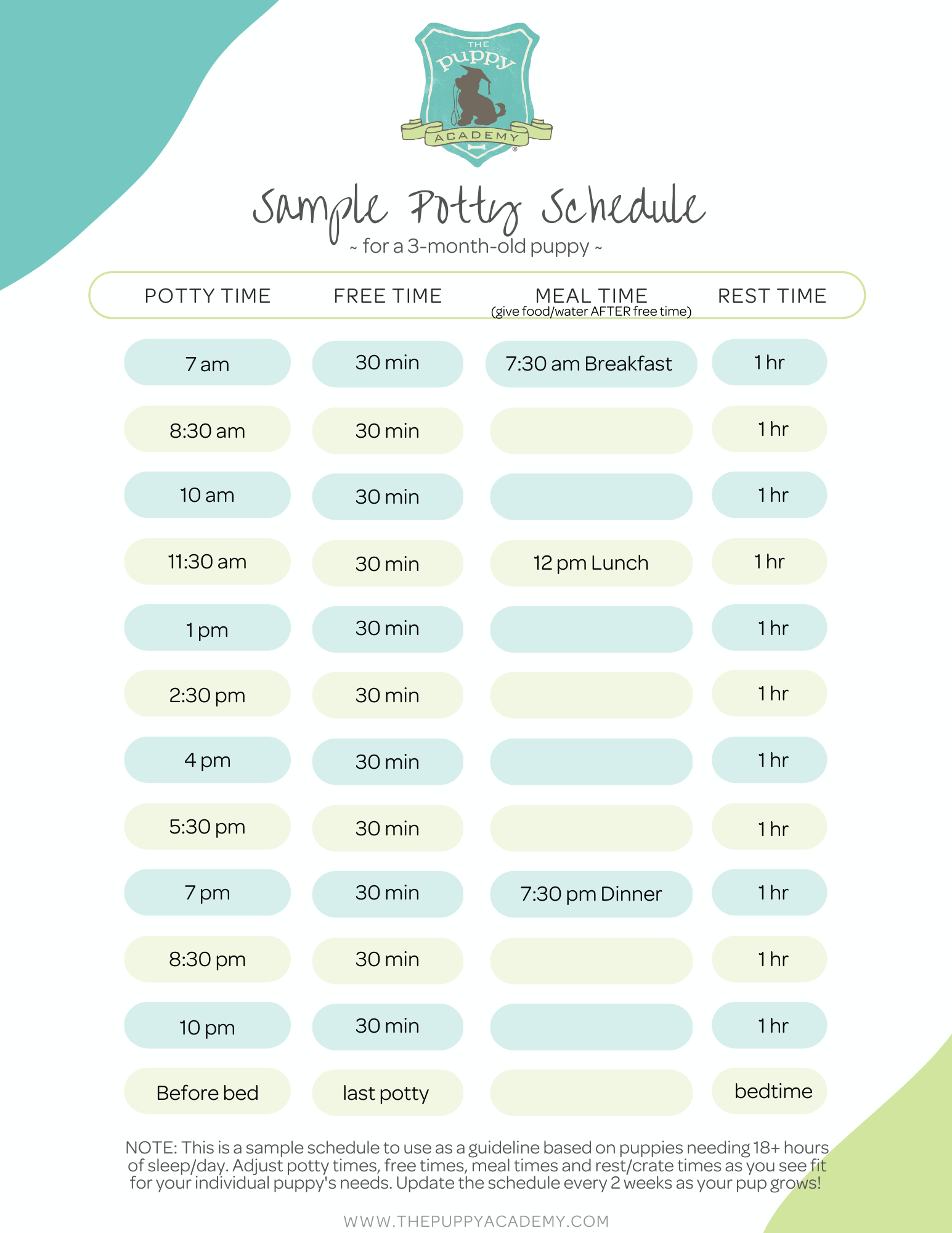
Puppyhood Made Easy for New Owners: Create a Puppy Potty Schedule!
A Puppy Parent’s Guide to Microchipping!
Puppyhood Made Easy for New Owners: Setting Up Your Home for a New Puppy!