5 Things To Know Before Getting That Puppy!

There's a reason why dogs are called man's best friend. The bond between an owner and their pup, whether they be old or young, is beyond measure. Having an opportunity to be selfless and take care of another creature can prove to be very enriching. However, it's not something anyone should go into lightly! 

@brontenj

@brontenj

Embarking on puppy parenthood? Our pups depend on us for all of their needs. Don’t you want to make sure you can give them the very best life? When it comes to raising a puppy, your daily activities, the care and training you select, your mindset, and of course finances, are all affected by adding in a new best friend to the family. So, to help you make this big decision, here are five things we here at The Puppy Academy suggest you consider to make sure you are ready! 

WANT TO KNOW MORE ABOUT TRAINING YOUR NEW PUPPY? GET IN TOUCH WITH ONE OF OUR TRAINERS!

1. Consider Your Lifestyle!

@nantucketboss

@nantucketboss

First and foremost, look at yourself and ask, “can I take care of a puppy?” Wanting and being able to are two different things. But if you can’t answer yes, it’s okay! You most likely can answer yes later on! 

Think about the type of job you have. Are you home most of the time or away almost 8 hours a day? Do you travel often? These are important to answer honestly with yourself before diving into buying or adopting a pup. Puppies can’t stay alone for extended periods of time, so if you work full-time, make sure to have an extra pair of hands ready. And if not, hire help. Remember, your pup will seek you for activity and care, but if you can’t take the time to provide those things for them, or don’t have the resources to hire someone to do so for you, you’re probably not ready to bring home a puppy. 

Also, think about the type of puppy you want to bring home. You can check out our “How to Pick the Right Puppy for Your Family!” for help in making this decision. Some puppies have different, more high maintenance needs, and high-energy levels that aren’t suited for certain individuals and families. Do your research and look into different breeds that’ll mesh nicely with your current lifestyle. Also, take into account things like your age, activity level, social life, etc., when doing your research. You can even narrow in on a few breeds, make a list and check off which ones match up with you! Your perfect pup is out there waiting for you!

The biggest thing to note is the inevitable disruptions to your everyday life adding this new member to your household will cause! Be prepared and make sure that everyone in your family is on board too. With great puppy power, comes great responsibilities and the occasional loss of sleep! That means your daily routine will have to shift to embrace your young pup.

Having a puppy is a full-time job! Make sure you can adjust your schedule accordingly or enlist people to help you out.
— Tip from The Puppy Academy Trainer, Rebecca

2. Pick a Puppy Trainer!

Screen Shot 2020-03-27 at 7.33.10 PM.png

Bad habits are hard to break, and dogs, like humans, can build them. The sooner you begin training your fur baby the better. If you’re thinking about training your puppy yourself, you might want to consider enlisting the help of a professional puppy trainer first to show you how to train a puppy and then start instilling those good behaviors on your own! It’s the best way to set yourself up for success. 

Think about what your goals are for your puppy. Is it just basic obedience? Do you want to eventually move on to advanced techniques? Some trainers work one-on-one while others work in facilities that can offer more services like day-care which provides the added value of socialization for young puppies. 

The best way to find a qualified puppy trainer that will help you achieve your goals will be to of course research but ask for recommendations from family, friends, your vet, and other pet businesses in your community. Go to our “How to Pick a Puppy Trainer!” blog for further details on what you need to look out for when picking a puppy trainer!

It’s much easier to introduce good habits to your puppy than have to try to break bad ones, so start showing them the right way on the first day you have them, and stay consistent!
— Tip from The Puppy Academy Trainer, Sparky

3. Create a Schedule for Your Puppy!

@viral_insta_pups

@viral_insta_pups

Puppies need and thrive with structure. But what exactly does that involve and are you capable of providing that for them? We’ll show you how to Create a Daily Schedule For Your Puppy! The big things to remember to include in your puppy’s daily routine are time for potty breaks, eating, playing, sleeping, and of course puppy training. 

Young puppies, especially ones that aren’t potty trained yet, need to be on a potty and eating schedule and consistently shown where to eliminate in the right place, in order to help train them faster. Not following a schedule will inevitably lead to a lot of headaches for you and potentially dealing with house accidents much longer than necessary.

But puppies aren’t just eating and pottying machines! They need stimulation and they want to work and learn. Incorporating sessions of play that also include basic obedience training are a great way to exercise them, establish a loving bond between the two of you, and help them grow up to be well-rounded and well-mannered adult dogs. 

EXPERIENCING PUPPY PROBLEMS WITH POTTY TRAINING, CHEWING, NIPPING, ETC? LET US HELP!

4. Expect Accidents!

@badgal_peaches

@badgal_peaches

Ah, the joys of puppyhood! There will be nips, scratches, and ruined furniture during the first few stages of puppyhood. And that is perfectly normal! Don’t worry you’re not doing anything wrong and your puppy isn’t scheming against you. Manage your expectations and have patience, not only towards your puppy but towards yourself as well. You’re not alone in those overwhelming moments. We here at The Puppy Academy have your back! 

The best way to deal with those growing pains is to be prepared for them before they start! In our “Bringing Home Your New Puppy!” blog, we provide guidelines for puppy-proofing your home. Doing this before bringing home your puppy will save you a lot of frustration and money!

And possibly the most important tip for a successful first year with your puppy is to start potty training ASAP! Learn our trainers’ techniques for potty training your puppy fast and easy! The “Potty Training Your Puppy: Tips for New Owners!” has steps to help you conquer one of puppyhood’s biggest challenges!

Protect or remove any items you don’t want to get ruined! Puppies get into everything, so be proactive by puppy-proofing your house and limiting their access to things and areas you don’t want them to get their paws on!
— Tip from The Puppy Academy Trainer, Josh

5. Consider Your Budget!

@dailycupof_chlo

@dailycupof_chlo

Puppies can be expensive especially in the first year. Supplies, vaccinations, spay or neuter, check-ups, changing diet...the list goes on. Not sure what you will need to budget for? Check out “What to Buy for Your New Puppy!” blog for help.

Ultimately, spending money on your puppy is inevitable but you can prepare for it. Think about it as you would for any other life-changing event that you need to budget for. There will be one-time costs, ongoing or annual costs, and sometimes even emergency costs!

The first year will bring a lot of one-time expenses like adoption fees, initial vet visits, vaccinations, check-ups, spay or neuter, licensing, microchipping, puppy training, pet insurance, and supplies to name a few. If you can plan and budget for this, you are on the right track for becoming a responsible puppy owner!

Next are your ongoing or annual costs. Food, toys, vaccinations, check-ups, and pet care can all be considered items and services that you will have to budget for the rest of your pups life. 

And while we hate to think of emergencies, puppies are sneaky and like to get into things they shouldn’t! So setting aside a fund for an unexpected situation is definitely something every new puppy parent should do for the welfare of their best friend. Emergency vet visits and procedures can be several thousands of dollars. By having an emergency fund or even purchasing pet insurance you can get immediate help for your pup and lessen the financial burden on yourself!

NEW PUPPY PARENT? ENROLL YOUR PUPPY IN TRAINING AND SOCIALIZATION CLASSES TODAY! ONLINE TRAINING IS AVAILABLE!

Ready to Bring Home Your Puppy?

Puppies afford us boundless comfort and love. Don’t you want to do the same for them? If you can comfortably answer yes and don’t feel concerned over the items we covered in this blog, you are definitely ready to embark on the puppy parenthood journey. If not, that’s totally okay too! By researching and being honest with yourself, you are being a responsible person and putting the welfare of a pup first! And eventually, you probably will be ready to bring home a puppy of your very own!

Check out these related blogs on puppy training and more!

Puppy’s First Year Milestones!

Encouraging Good Puppy Playtime Manners!

How to Socialize Your New Puppy!


Encouraging Good Puppy Playtime Manners!

How to Play with Your Puppy!

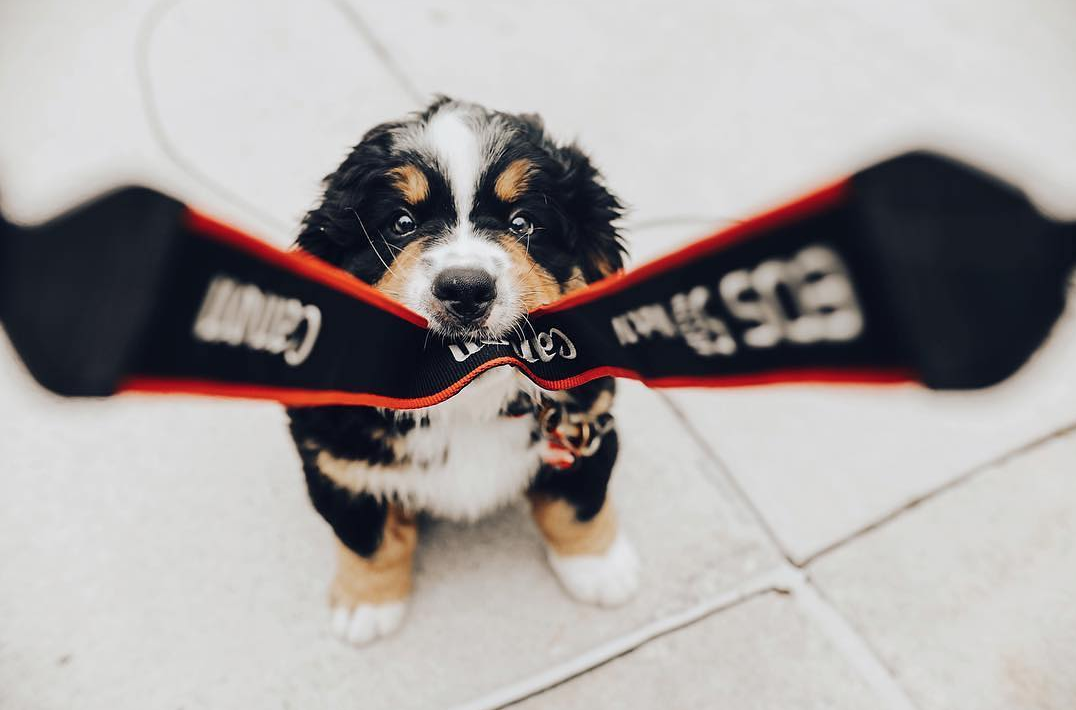
Puppies love to play! As a new puppy owner, you will be in for loads of playtime -- chase, fetch, tug-of-war, search, there’s a lot of games for your pup and you to enjoy together! But what’s good playing and what’s not?

Puppies play for a variety of developmental reasons that we’ll cover a little later on. But the main thing to remember is that as the owner, your training will help encourage positive puppy playtime manners. When puppies play with their litter mates, it’s normal for them to explore and play with their mouths. Oftentimes when a pup becomes over-stimulated or tired, they can get nippy with each other. But now that your pup is home with you, you’ll need to train your puppy how not to do that with their new family! Understanding your pup’s normal play behavior is very important as you embark on training them what’s acceptable and what isn’t. When you can spot your puppy starting to exhibit some bad activities, like chewing on your hands and not their chew toys, you’ll be able to take certain steps to curb that behavior! Now, let’s dive into how to watch out for certain cues during playtime and how to encourage good manners!  

@adatheberner

@adatheberner

Playtime is a great place to establish good habits and expectations with your pup for their future behavior while having fun! Set clear and consistent boundaries so your pup understands what they should and shouldn’t do.
— Tip from The Puppy Academy Trainer, Josh

Why is Puppy Playtime Important?

Puppies play for a variety of reasons, primarily to learn how to socialize and test their own boundaries. But while some people think it’s just them being “cute”, play activities are vitally important for their physical growth and mental development! During play, a puppy will exercise their muscles, growing stronger and testing out their agility! And, they will work their mental muscles, retaining important obedience commands, social and communication skills.

NEED PUPPY TRAINING ADVICE? ASK A PUPPY TRAINER! 

@jaxandjillthegoldens

@jaxandjillthegoldens

Exercise - At The Puppy Academy, our trainers like to say “a tired puppy is a happy us!” Exercise definitely is an important part of playtime. Your puppy can relieve some of their excess energy and boredom in a healthy and productive way. If your puppy becomes destructive, for example, starts chewing up your furniture, chances are they need a little more activity and the appropriate stimulation such as chew toys. But tiring out your puppy should come in moderation. Play with your puppy in sessions no longer than 15-20 minutes. 

Note: Even a pup that’s received play and exercise can still get into some mischief if left unattended! They’ll still want to explore and chew on things so make sure that you provide some structure after playing like placing your pup in their crate or a playpen if you can’t monitor them.

Mental Stimulation - Play is a great way to give your puppy something to do and work towards, not just so they’re physically motivated but mentally, too. Some toys and games, like Kongs, are specifically designed to work their brains, making your puppy think and work, followed by a rewarding treat and play! Depending on the type of breed your puppy is, you can also research different types of games to play with them that suit their natural drives. For example, training your retriever pup “Fetch” is an excellent way to stimulate their brain by getting them to listen to your commands while providing adequate exercise. Plus, it’s super fun for both of you! These types of activities really alleviate their boredom and help to preoccupy their time.

Bonding - There’s no question that playtime really encourages a special connection between you and your puppy! Playfulness is one of the main reasons your puppy learns to trust and love you. Playing with a toy with your puppy helps you to bond with your puppy through leadership. You become the provider of the toy and initiate the play which is fun! It’s all an opportunity for you to learn to understand your pup’s little quirks, antics, and their true personality! 

Training - Certain playtime sessions are a great way to incorporate puppy training. If your puppy is enrolled in a puppy training class, you can use playtime to enforce commands like “Come, Drop-it, Sit and Fetch” when playing with toys. 

Socialization - Of course, if you place your puppy into puppy training classes or even take them on play dates, playing with other puppies helps them establish more social skills. During playtime with other puppies, your pup will start to understand their bite inhibition and other puppies’ boundaries. At times, puppies will yelp if another puppy nips too hard signaling to the nipping pup to stop. This activity is a natural and beneficial learning experience for all puppies to understand good manners amongst each other. Make sure playtimes are monitored and step in to help out when needed.

WANT PUPPY TRAINING TIPS SENT RIGHT TO YOUR INBOX? SIGN UP TO RECEIVE OUR BLOG ANNOUNCEMENTS!

Encourage Positive Puppy Playtime

Now that you understand why incorporating puppy playtime is important for your pup’s growth and development, take some time to learn how to manage your pup’s behavior during playtime together!

@ellamaymoments

@ellamaymoments

Sometimes, if your puppy becomes over-excited during play, they might target your hands or feet (they’re like puppy magnets!). Don’t worry, your puppy doesn’t hate you, it’s actually totally normal. Hands and feet move, so they’re very fascinating for your pup! Try to a bigger tug toy and train your puppy to grab a specific spot. TIP: Grab a hold of the tug on both sides and present it to your pup rather than having them jump up. This way you can direct your puppy where to bite the toy.

Puppies with high energy levels might need to learn the “Drop-it” command earlier on. If your puppy refuses to let go of their toy, you can teach "Drop-it" by using another toy or treat they love. With the original toy in their mouth, tell them to "Drop-it" then show them the new toy or food. When they release it, say "Good!" and reward them with that new toy or treat!

Sometimes, we can inadvertently amp our puppies up with our own energy, tone of voice, and movements. They want to do what you’re doing after all! 

If your pup is overly-excited, watch your energy level and tone of voice you're using, and be calm in order to help your pup calm down. If that doesn’t work, initiate a play break and let them settle down in their crate or a playpen with a chew toy.

When playing with your pup, read their energy and adjust yours accordingly. An overexcited puppy needs calmer energy from you, and a more mellow puppy needs higher energy.
— Tip from The Puppy Academy Trainer, Sparky

To help you work on instilling good play behaviors in your pup, here are some dos and don’ts that you can follow to encourage good manners!

DO: Engage in games like fetch to stimulate your puppy’s natural drive. Also, incorporate mental games or toys like Kongs to keep your puppy’s focus and energy engaged!

DO: Encourage your puppy to practice basic obedience commands while playing! This makes learning something new, fun and rewarding for them!

DO: Incorporate playtime sessions as part of your puppy’s daily routine! Making the time will help you maintain consistency with enforcing basic obedience and good behaviors!

DO: Monitor your own energy levels and tone of voice. Be excited if you want your pup excited! Be calm if you want your pup to calm down.

DON’T: Allow bad behavior to continue during playtime. If your puppy starts to chew on you or something they shouldn’t during playtime, simply follow the steps we mentioned earlier in this section! Also, over-stimulation or being over-tired oftentimes is the culprit and a quick nap may be the best trick!

DON’T: Allow your puppy to continue to snap and nip at you! Playtime is valuable socialization and allowing those behaviors will instill that it’s okay for them to do so. 

DON’T: Reprimand rough play by getting emotional, yelling or becoming physical. Using a calm, stern "No" is perfectly acceptable as long as it's backed up with training guidance.

DON’T: Leave your puppy unsupervised during playtime, especially with chew toys they can pull apart and ingest. 

Playing with your hands, along with the intensity of play you allow with your puppy, can lead to more problems as they grow into adulthood and get bigger and stronger. Use a toy to play with them instead of your hands, don’t allow rough play, and stop play when it escalates too much to encourage your pup to settle.
— Tip from The Puppy Academy Trainer, Rebecca
@Fuanography @aliza_eliazarov

@Fuanography @aliza_eliazarov

Your time with your puppy, especially in their first year, will include plenty of playtime sessions! Take each one as an opportunity to enforce good manners and habits. Doing this now will help you prepare your puppy for a life that is full of good interactions with other dogs and people. 

Check out these related blogs on puppy training!

Know Your Puppy’s Body Language!

How to Stop Your Puppy From Nipping!

Create a Daily Schedule for Your Puppy!