Bringing A Puppy Home During Quarantine? Tips for New Owners!

Are you bringing a puppy home or already have one? There are a lot of puppy resources out there and chances are you’re a bit overwhelmed! Supplies, food, vet care, puppy training classes, etc., where do you start? Avoid the puppy overwhelm with these helpful tips, straight from our new online puppy training class “Set the Scene for Success!” 

IMG_8866.JPG

Bringing a puppy home fills your life with so much joy and daily activity! But as amazing of a time it is, puppies require work and patience especially during their first few weeks at home. In our puppy training classes, we get a lot of the same questions from new owners on house training their puppy, crate training their puppy, getting their puppy to stop pulling on walks, jumping, biting, and just getting their puppy to start listening. For many new puppy owners, the list of puppy problems seems endless, and figuring out how to solve them seems impossible. It’s not!

Our Online Puppy Training classes bring new owners the best of what we have to offer at our school in Hermosa Beach, CA. Being at home doesn’t mean that puppy training classes are taking a break -- the exact opposite! In our online puppy school, new puppy owners work with our trainers in live-coaching sessions to cover a variety of puppy training topics! 

IT’S NEVER BEEN EASIER TO TRAIN YOUR PUPPY FROM HOME! TRAIN YOUR PUPPY IN 90 DAYS! ONLINE PUPPY SCHOOL IS OPEN FOR ENROLLMENT!

Lesson #1: Set the Scene Success with Your New Puppy
IMG_8144.jpg

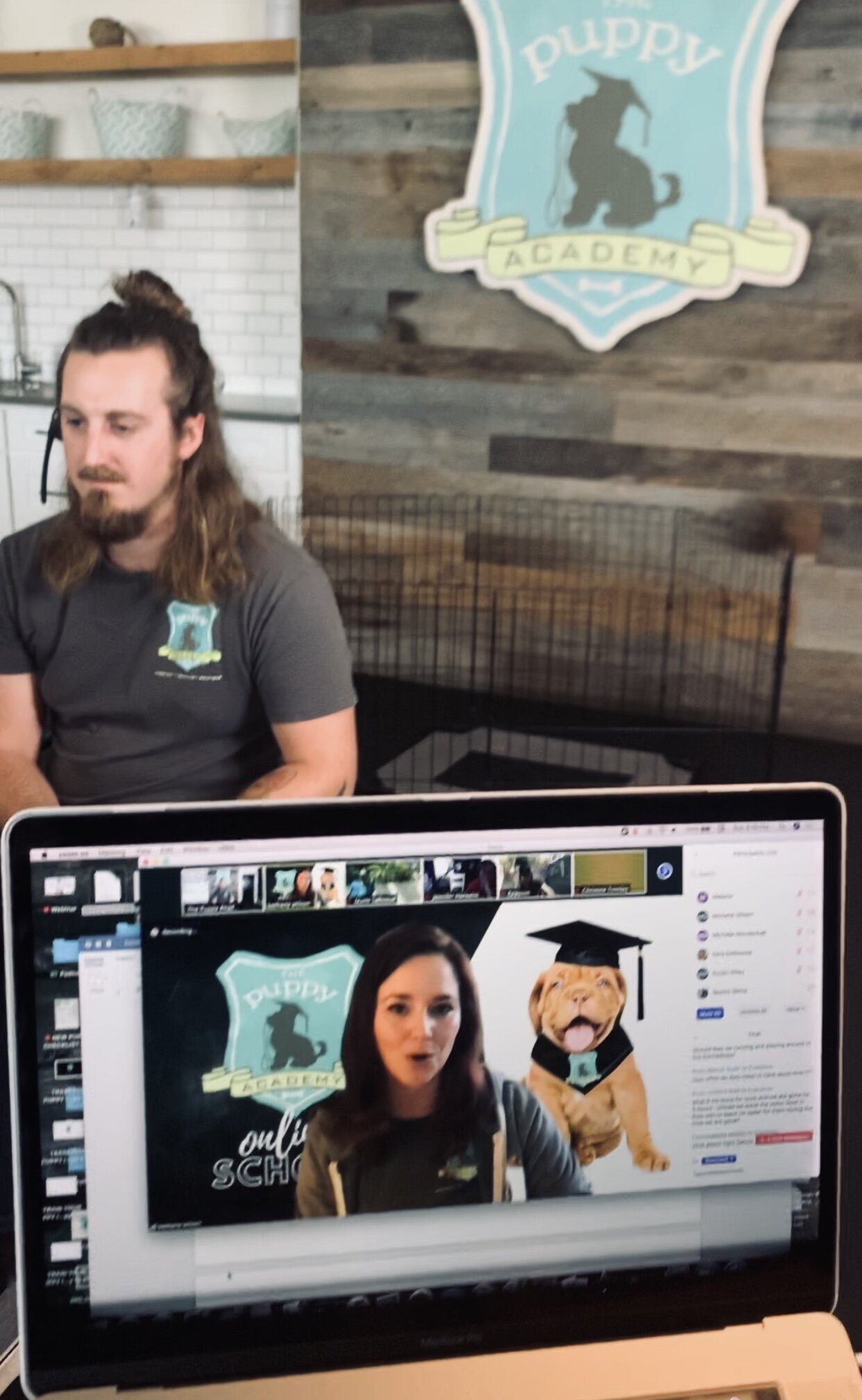
Before jumping into puppy training classes one very important and sometimes overlooked topic is one we like to call “Set the Scene for Success” which encompasses preparing for bringing a puppy home (check out the rest of our puppy-proofing tips!), setting up a schedule, establishing leadership, and setting realistic expectations! We spend a full online puppy training class covering these tips in full detail for new puppy owners but here are the highlights to help you get started at home!

A Puppy-Perfect Setting means just that -- a place in your home that’s ideal for your pup! Young, untrained puppies really should not wander about in your home unsupervised. That spells a recipe for unexpected accidents, chewed up furniture, and all sorts of pup mishaps! Avoid the mayhem with a simple tip: Set up a spot in your home for your puppy using a playpen! We recommend the kitchen or family room where a pup can be supervised and has a hard floor surface for easy cleanup!

Many of our new puppy owners ask about crate training a puppy and the benefits that come with it. One of the biggest is helping your pup boost their confidence and independence. Why is this important? Even though many of us find ourselves at home now, when you go back to work, the change could lead to separation anxiety in your pups, causing a variety of unwanted behaviors! Our tip: Give your puppy “alone time” in their crate to nap or relax while you step out to another room, and do this throughout the day!

Create a schedule for your puppy to give the both of you instant structure each day! Eat, play, sleep, puppy training classes -- plan out your pup’s activities to help them successfully adjust to their new home! What are the benefits of creating a schedule? It helps them learn faster, speed up their training and housebreaking, promote confidence since they know what to expect at home, and improves their behavior and temperament. And it’s not difficult to figure out how to do this! You can follow our Create a Daily Schedule for Your Puppy blog to set one up for yourself!
IMG_8143.jpg

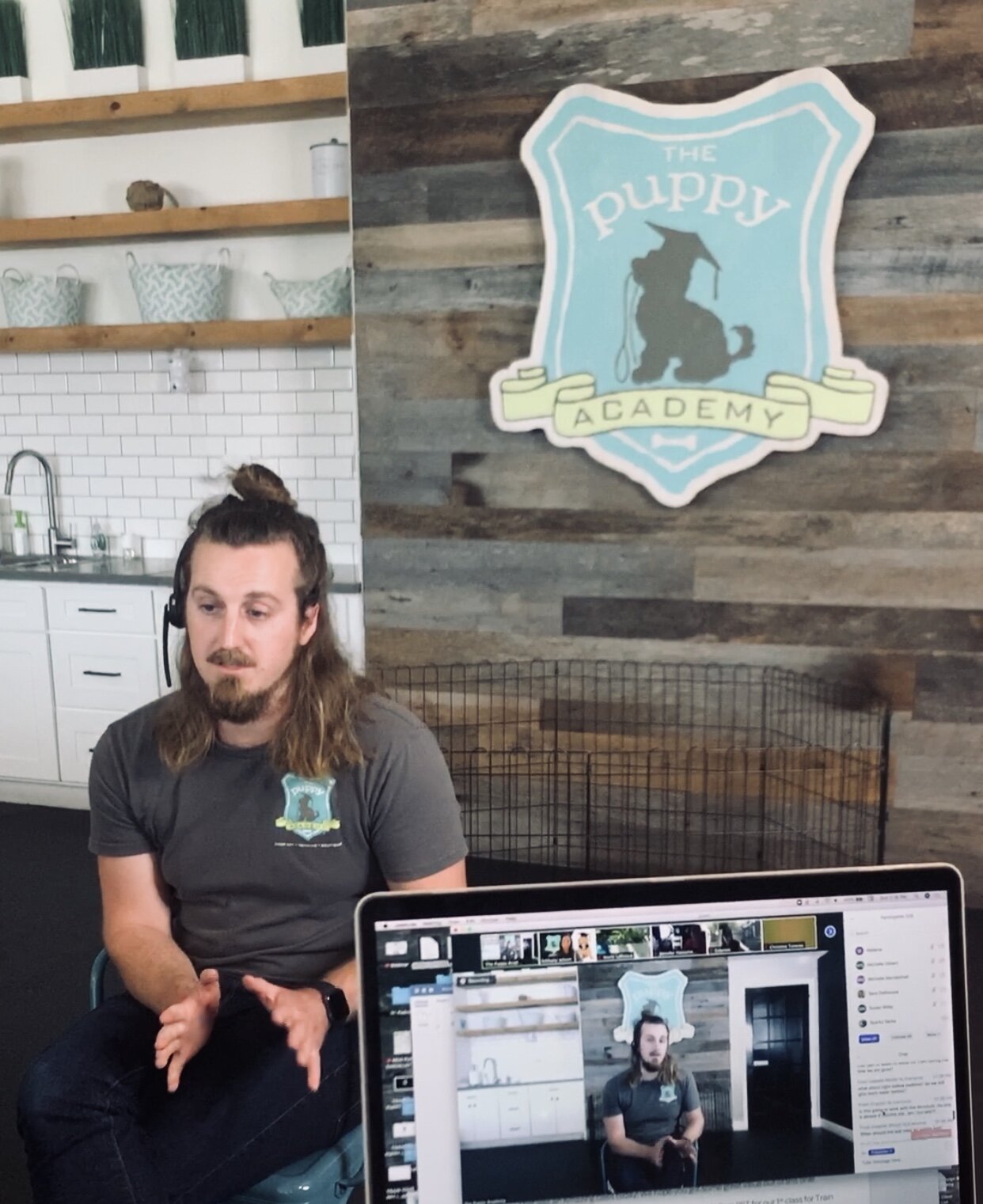
Establishing leadership comes from implementing routines, training your puppy, and creating boundaries for them to follow. An easy way to start doing this is by introducing “calm thresholds”– so having your pup sit and wait in doorways, before coming out of their crate, etc., and check-in with you by giving eye contact before going through them. This establishes the habit of checking in with their owner as they grow and is a great foundation before starting puppy training classes.

GET ACCESS TO “SET THE SCENE FOR SUCCESS” CLASS PLUS OUR UPCOMING LIVE PUPPY TRAINING CLASSES! ENROLL IN OUR ONLINE PUPPY SCHOOL TODAY!

The right mindset, energy, and expectations will help set YOU up for success most of all. New puppy owners sometimes have really high expectations right off the bat but puppies need time to learn, lots of guidance, repetition, and #1: patience! No matter how many puppy training classes you enter, consistency is key to getting your puppy learning faster! We tell all our owners to make sure to practice puppy training at least 15 minutes a day and make sure the family is on board with the puppy training classes and house rules for your puppy.

Examine your energy when you begin puppy training classes at home! We like to say “You get what you pet!” which means if your puppy is overly excited and you’re petting them, it’s a reward and it will encourage them to keep doing it! Only pet them when your pup is calm to reward that good behavior. And the tone of voice is important too! Keep your tone and energy direct and low-key when puppy training. And if your pup needs some motivation or encouragement to get moving along, use a higher-tone voice and higher energy! 

Online Puppy School:
IMG_8145.jpg

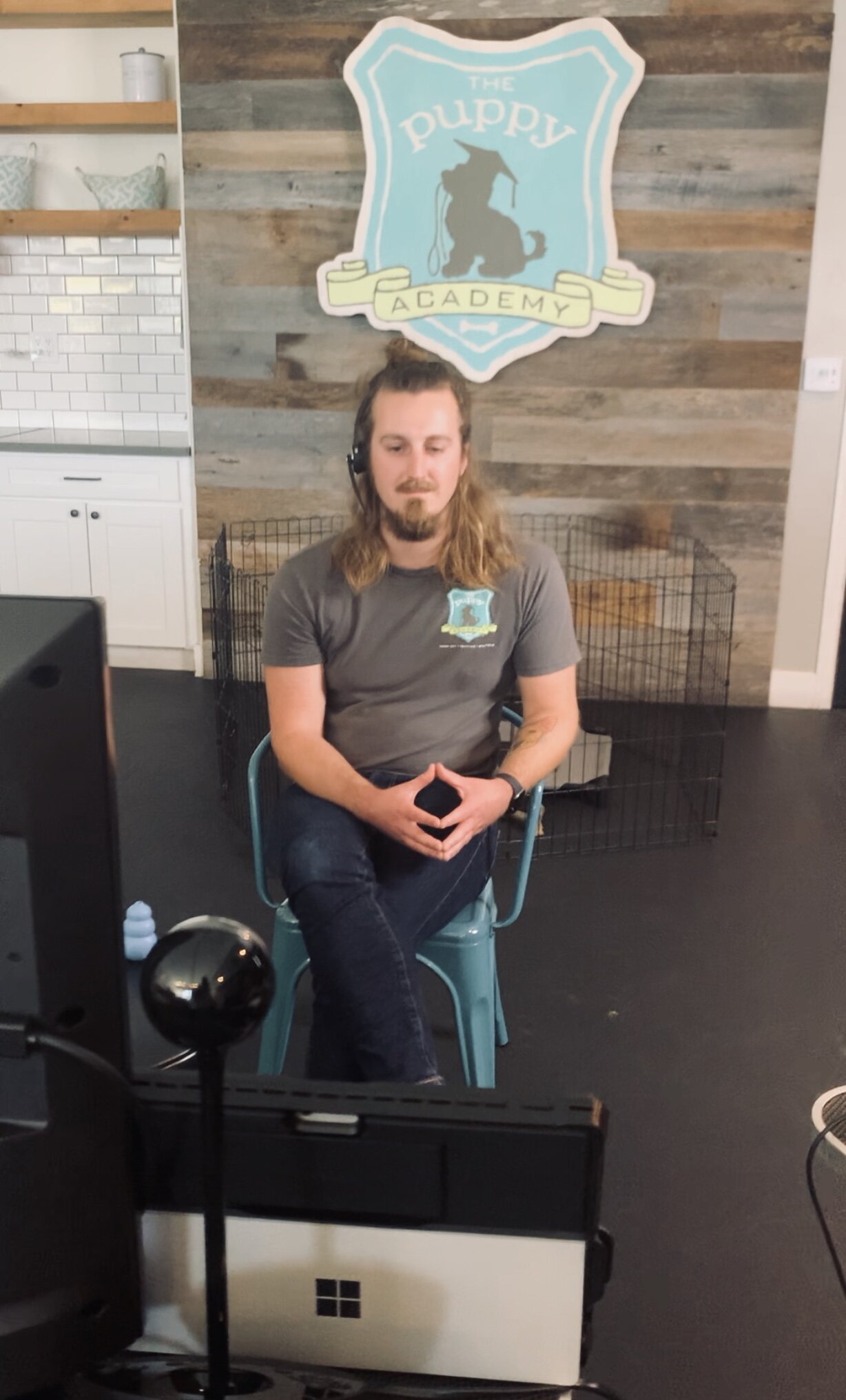
If you’re considering bringing a puppy home or have one already, and feel stuck -- online puppy training classes can help! We get it, it’s tough especially if you’re doing puppy training on your own at home. In just 90 days, you can teach your puppy all the commands they need to know, plus train them to stop chewing, biting, jumping, pulling on the leash, having potty accidents at home, and more! How? Live-coaching with our trainers, Q&As, and a virtual campus full of on-demand training videos and puppy training resources for our students -- we’re with you each step of the way! Our enrollment ends on May 7th, so there’s still time to sign up for online puppy training classes! 

ENROLL YOUR PUPPY IN ONLINE PUPPY SCHOOL!

Check out these related blogs on puppy training and more!

Bringing Home Your New Puppy!

Create a Daily Schedule for Your Puppy!

Why and How to Crate Train Your Puppy!


Train Your Puppy to be Home Alone

When you first get your new puppy, it’s incredibly tempting to bring your pup with you everywhere! And nowadays, many of us are getting a lot of extra pup time at home! But at some point, you will need to leave your puppy at home without you. Your goal will be to make sure that your puppy can stay alone feeling comfortable, confident and secure!

Don’t we all wish we could stay at home with our puppies day in and day out? Lately, many of us have gotten that wish and are spending more time doing just that! But when we do have to leave the house, it could be stressful for your puppy if they aren’t trained to learn that being left alone is totally OK. Separation anxiety is an addiction to attention and too much access to you that puppies experience from their owners. Puppies are prone to it because they're social animals that crave your attention, and it takes time to teach them how to be alone. So teaching them how to be alone for periods of time is a very important step in your puppy's training and growing phase! Preventing separation anxiety is key, but even if your pup is already showing signs of it, there are steps to take in both cases to help instill confidence and security in your puppy. Through using tools like crate training, positive association, and mental stimulation, plus exercise, patience and practice, you can help train your puppy to be totally comfortable and relaxed with being alone!

JOIN OUR ONLINE PUPPY TRAINING CLASSES AND GET THE HELP YOU NEED FROM EXPERT TRAINERS RIGHT AT HOME!

Crate Train Your Puppy

@roman_and_harper

@roman_and_harper

A key tool for helping your puppy feel comfortable alone for a period of time is their crate! But in order to successfully leave your puppy in their crate, you have to start by introducing your puppy to their crate first! There are a few techniques we use at The Puppy Academy when training our students to become accustomed to going in and out of their crate such as having them eat, sleep, and enjoy a toy in their crate. You can visit our blog on crate training “Why and How to Crate Train Your Puppy” to learn more about how to introduce your puppy to their crate.

Start Slow in the Beginning

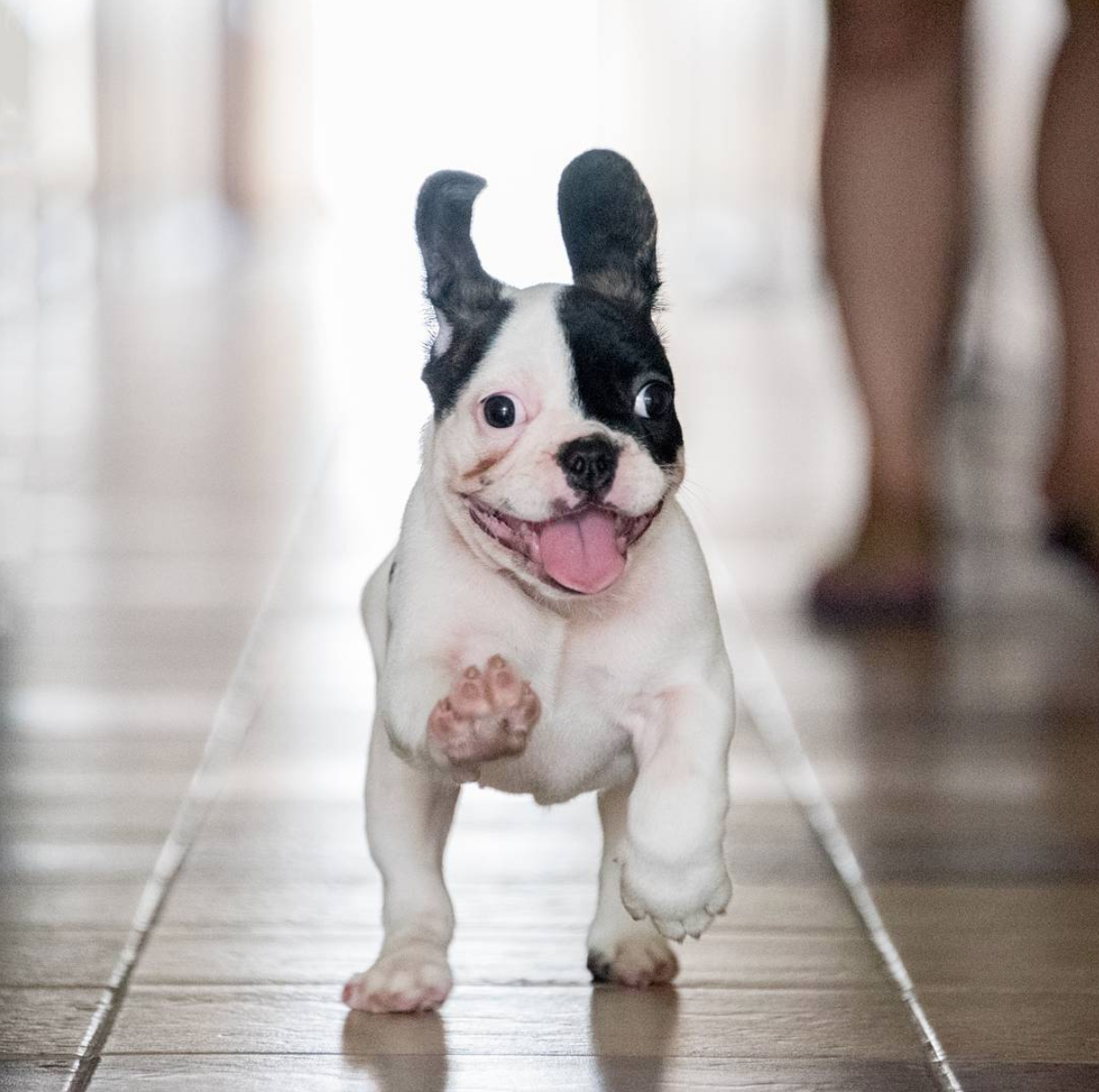
@alaskathefrenchie

@alaskathefrenchie

If your puppy is already accustomed to their crate, start to introduce “alone time” in their crate while you are still in the home. The easiest time to practice this is at their nap time. Put their crate in another room of your home with less activity, and encourage them to relax. Pull the shades, dim the lights, even play some calm music and cover the front and sides of their crate with a blanket to create a chill atmosphere so your puppy feels comfortable and calmly leave the room. Repeat this a few times throughout the day for their naps, ranging in times from shorter to longer spans that they're “away” from you. 

Keep Your Coming and Going Low-Key

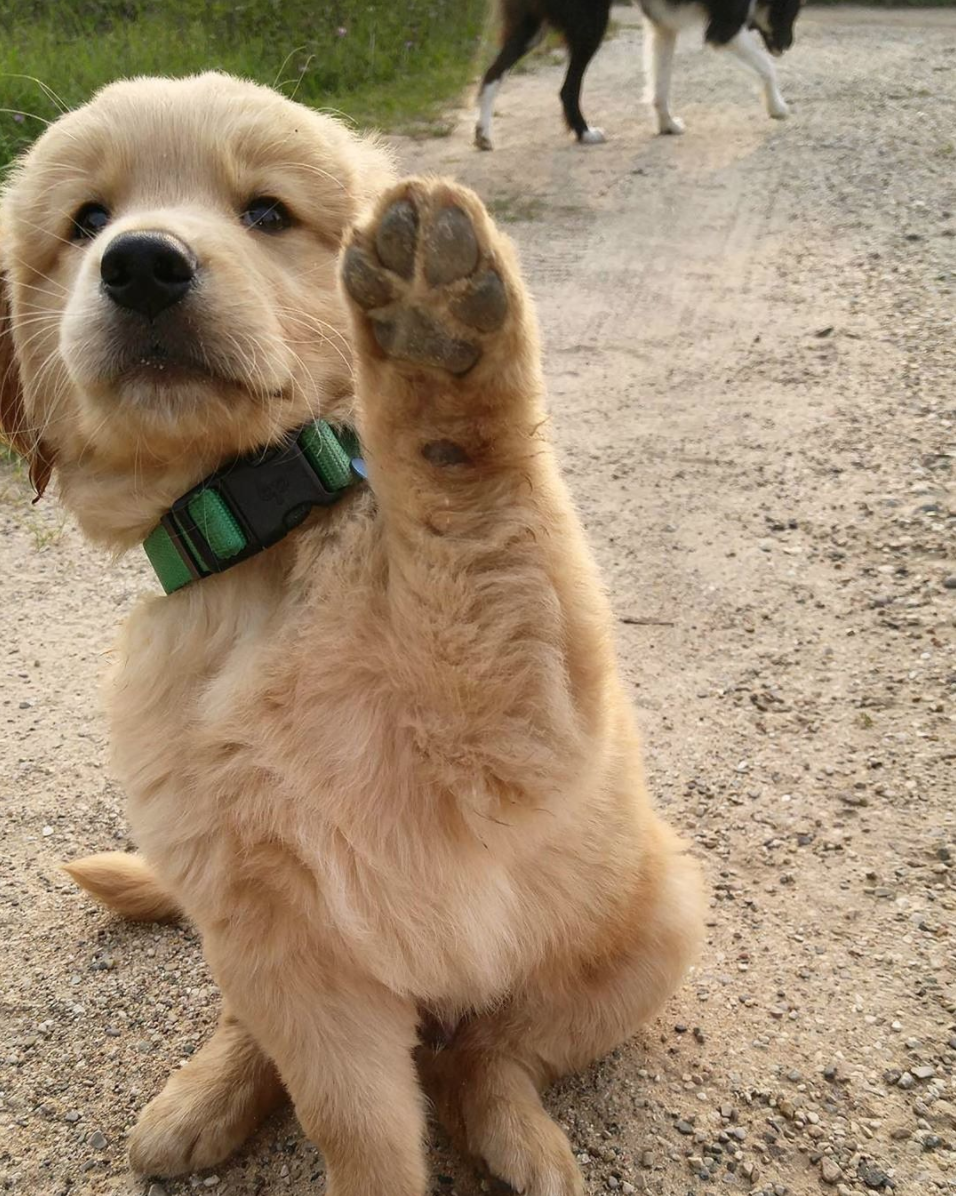
@woofwooftv via @thethreeadventurers

@woofwooftv via @thethreeadventurers

After you placed your puppy in their “zen zone” a.k.a., another room in your home, make sure that when you go to leave the room, keep it as low-key as possible. Making it a big deal with lots of pets, attention, and kisses right before you leave them and then when you see them again can build up anticipation and anxiety in your pup, making it much more difficult for them to settle when alone! You want to show your puppy that you coming and going is really no big deal by being as calm as possible so your puppy remains worry-free and relaxed the whole time!

TAKE THE STRESS OUT OF PUPPY TRAINING! JOIN OUR ONLINE PUPPY TRAINING CLASSES TODAY!

Create Positive Associations with Leaving

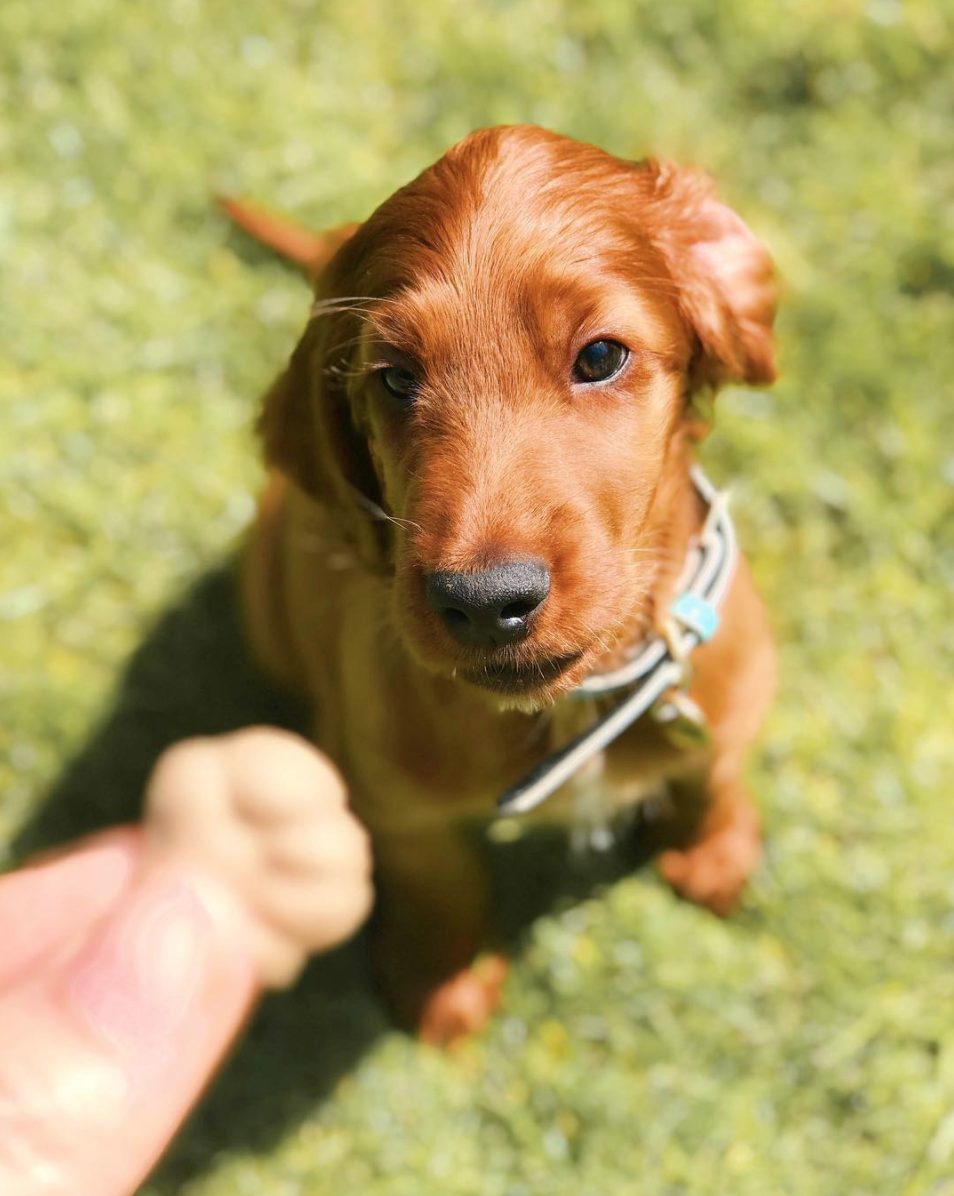
@mango_the_irish_setter

@mango_the_irish_setter

Make leaving a positive experience for your puppy by adding in something they enjoy or can keep their mind stimulated, for example, a special treat and a chew toy into their crate. Kongs are great since they will keep your puppy occupied while you are away. But also they are made of strong rubber that can resist heavy chewing. However, make sure you know your puppy’s bite strength and only give your pup safe chew toys you feel confident they can’t destroy and swallow torn pieces. You can keep a specific toy that you will only give your puppy when you are going to leave. Then when you return, take the toy and put it away. By doing this, you are training your puppy that they will receive something special they love and a treat when you leave!

Exercise Your Puppy Before You Go

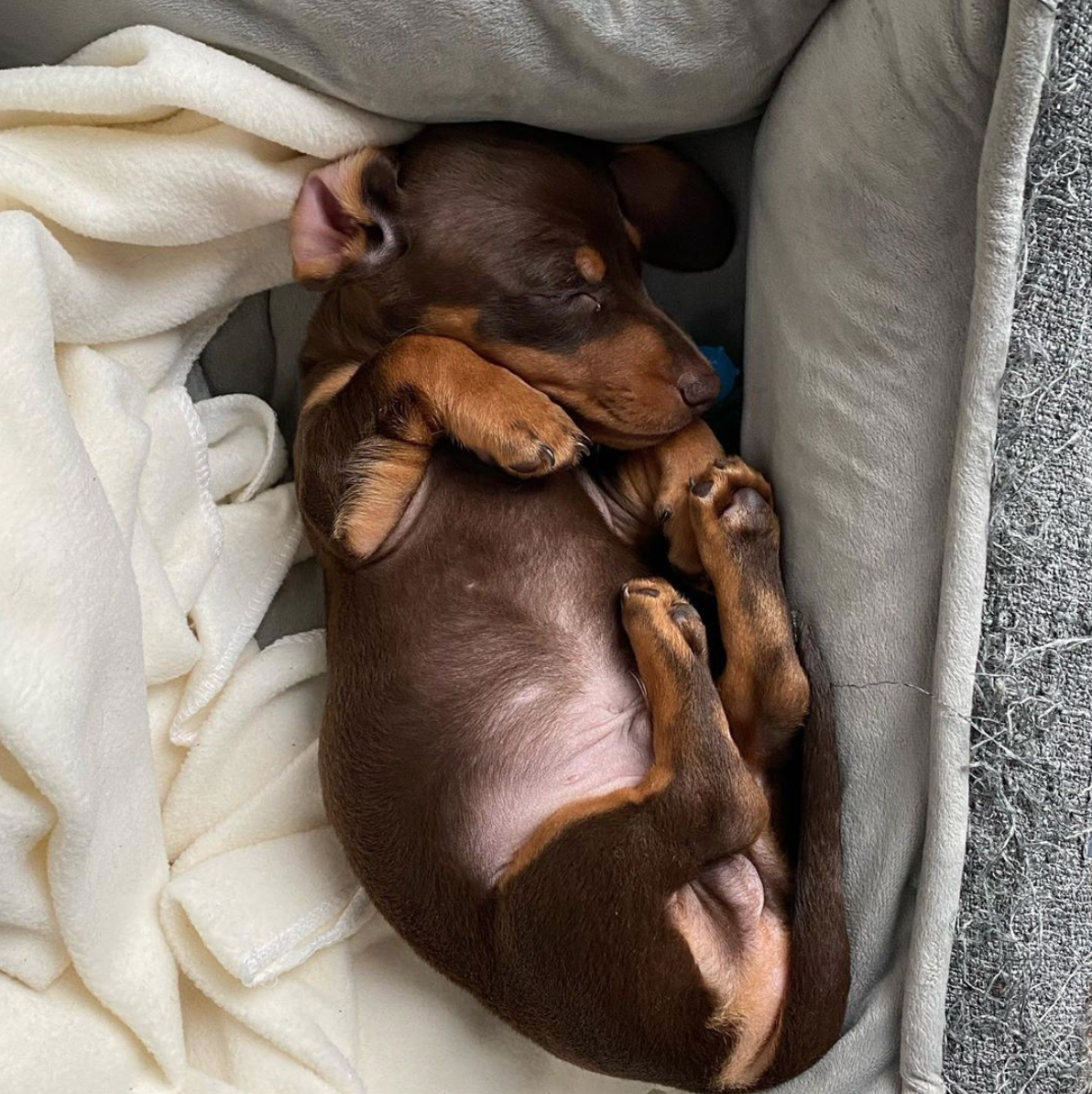
@milo.mcgruff

@milo.mcgruff

It’s also a good idea to make sure that your puppy has gotten enough time to play, a chance to go potty and just spend time with you before you need to leave. This way, your pup will be ready for some rest and can settle down in their crate faster. A good way to stimulate both your pup’s mind and body is through some play, a walk, or a quick training session. When you end the activity, try to do something calming with your puppy like giving them a Kong or other type of treat-dispensing toy after a walk or training session. Think of this like a “cooldown” after exercising to bring the body down properly!  The reason being is that if they are still hyped up from walking or playing, chances are they won’t settle right away in their crate. 

If your concern is finding the right time to incorporate these activities, take a peek at our “Create a Daily Schedule for Your Puppy!” blog to learn how to seamlessly incorporate eating, sleeping, play and training throughout the day.

LEARN HOW TO TRAIN YOUR PUPPY BASIC OBEDIENCE, POTTY TRAINING, AND MORE RIGHT AT HOME! SIGN UP FOR ONLINE PUPPY TRAINING!

With these tools, you are prepared to train your puppy to be at home alone. The main points to remember are incorporating crate training and slowly adjusting your puppy to you leaving for periods of time. Now is a great time to do this at home before you need to go back to work, school or wherever you find yourself each day. Doing this will help you prevent your puppy from potentially developing separation anxiety, and eventually when they are potty trained and ready, have more access to your home while you’re away!

Check out these related blogs on puppy training and more!

5 Things to Know Before Getting That Puppy!

10 Fun Things to do at Home with Your Puppy!

Potty Training Your Puppy: Tips for New Owners!