
Puppy Behavior Basics

Why Your Puppy Cries at Night in Crate (But Sleeps During the Day)

Quick Answer:

If your puppy sleeps well during the day in crate but cries at night, it’s usually due to environment, routine, and unmet needs before bedtime. The fix is to adjust crate location, improve your puppy’s daily activity balance, and create a structured wind-down routine so your puppy is ready to rest when nighttime comes.
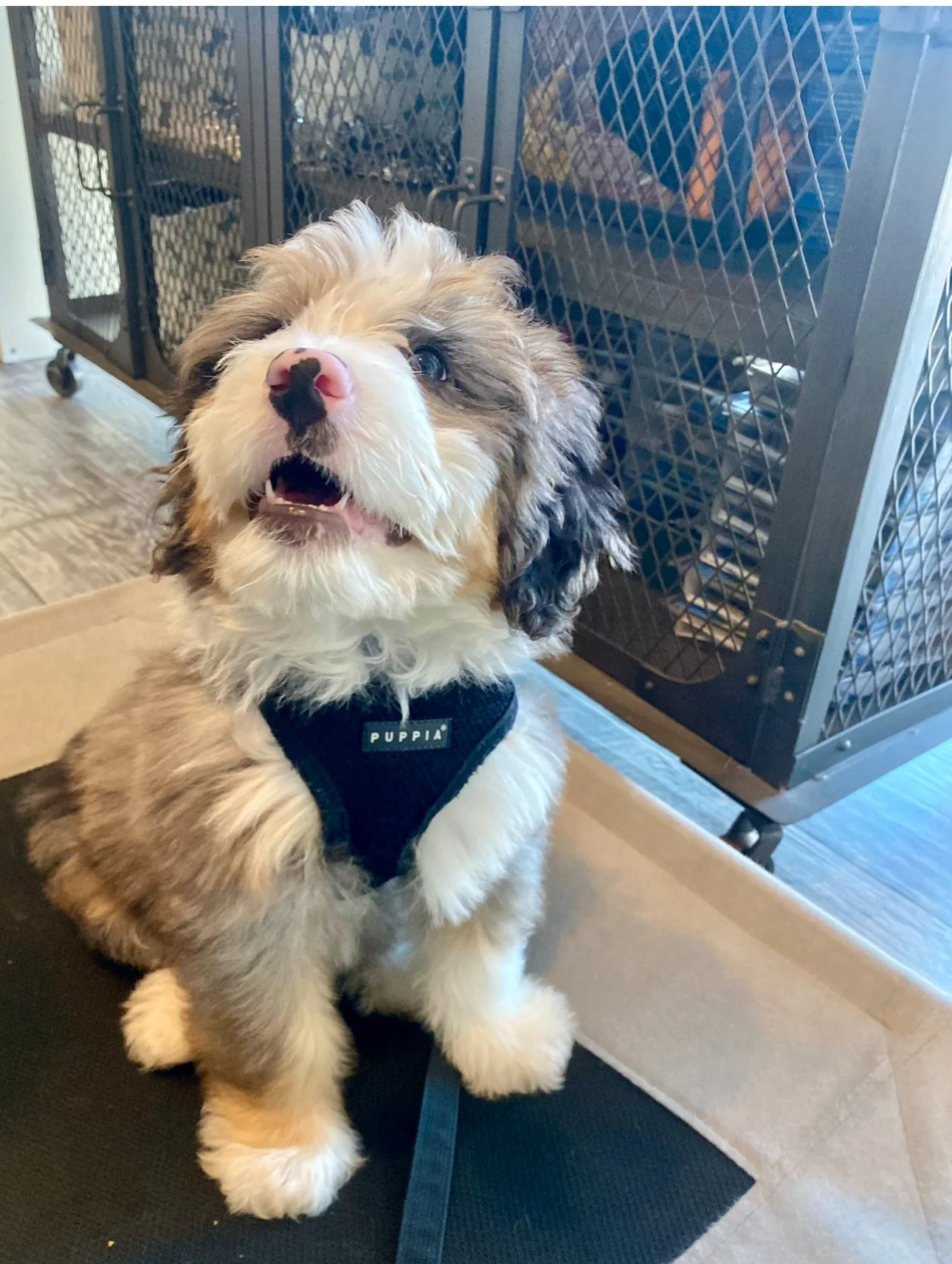
puppy cries at night

The Puppy Academy student, Jack!

Everything seems fine during the day…

Your puppy naps, settles, and handles the crate without much issue.

Then nighttime hits — and it feels like a completely different puppy.

Crying, barking, restlessness… and no clear reason why.

This pattern catches a lot of puppy parents off guard, especially when it feels like your puppy already knows how to settle.

The good news is, there’s usually a clear reason behind it — and once you understand it, it becomes much easier to fix.


Why This Happens

At night, a few things change for your puppy:

  • the environment is quieter

  • they may be farther away from you

  • their energy may not be fully spent

  • their routine may be inconsistent

Even though it’s “bedtime” for you, your puppy may not actually be ready to sleep yet.

Or, they may feel more isolated at night if they’re used to being near you during the day.


Reason #1: Crate Location Matters More Than You Think

Dogs are naturally social.

During the day, your puppy can hear you, see you, and feel connected to what’s going on.

At night, if they’re suddenly in a different room or isolated space, that can feel like a big shift.

Some puppies do better when the crate is:

  • in the bedroom

  • near your bed

  • close enough to hear your breathing and movement

Others may actually do better farther away if they’re easily disturbed.

There’s no one-size-fits-all answer — but location absolutely matters.


Reason #2: Your Puppy Isn’t Fully Ready for Bed

One of the biggest reasons puppies struggle at night is simple:

They’re not tired in the right way.

A puppy that has only:

  • napped all day

  • had short bursts of activity

  • not enough structured engagement

…may have leftover energy at night.

What helps is stacking activity before bedtime.


Step 1: Build a Better Evening Routine

Before bed, aim for a balanced activity window:

  • Physical exercise (walk or play)

  • Mental stimulation (training, food work)

  • Structured calm time (crate or place)

This helps your puppy go from:

➡️ active → engaged → calm → ready for sleep

Not straight from chaos into the crate.


Step 2: Add a Wind-Down Period (This Is Key)

A common mistake is doing activity right before bed and expecting the puppy to immediately fall asleep.

Instead, give your puppy time to come down from that activity.

For example:

  1. Exercise / training

  2. Water

  3. Back into crate or place for 20–30 minutes

  4. Quick potty break

  5. Then bedtime

This allows their body to settle before sleep.


Step 3: Make Sure Potty Needs Are Met

If your puppy hasn’t:

  • fully emptied their bladder

  • had a chance to poop

…they’re more likely to cry or become restless overnight.

Sometimes this means doing a quick repeat potty routine before bed instead of assuming one trip is enough.


Step 4: Consider Environment and Sound

Some puppies are more sensitive at night.

You can try:

  • white noise

  • moving the crate closer or farther away

  • slightly adjusting crate coverage

  • ensuring good airflow

Small changes in environment can make a big difference.


Step 5: Don’t Rush to “Fix” the Noise in the Moment

If your puppy is:

  • not in distress

  • not needing to potty

  • not harming themselves

…some whining is part of the adjustment process.

Consistency matters more than reacting to every sound.


The Bigger Picture: Balance During the Day

If your puppy is struggling both:

  • during the day in the crate

  • and at night

…it may be a sign of:

  • too much pent-up energy

  • not enough structure

  • or early signs of anxiety

In that case, improving the full daily routine becomes the priority.


What Success Looks Like

Over time, your puppy learns:

Nighttime = predictable, calm, and restful

They’ll begin to settle more quickly, stay asleep longer, and rely less on you for reassurance.


Be Patient — This Is Normal

Many puppies go through a phase where nighttime is harder.

It doesn’t mean you’re doing anything wrong.

With better structure, routine, and consistency, this usually improves quickly.


Want a Step-by-Step Plan?

Our Online Puppy School was designed especially for first-time puppy parents to help you start training the right way from day one — with clear guidance on routines, structure, and common puppy challenges.

You don’t have to figure puppyhood out on your own. We’ll guide you every step of the way.


This question originally came up on our Ask A Puppy Trainer podcast, where our trainers discuss age-specific puppy behavior in more depth. You can listen to the full episode here → on Apple Podcasts or on Spotify.

Have more questions about your puppy? Ask our trainers LIVE every Wednesday at 1 pm PT on our Instagram
@thepuppyacademy during our Ask A Puppy Trainer Show! All replays are posted afterward, and you can catch up on our last ones on our YouTube channel or Podcast.

Become a Puppy Academy
VIP (Very Important Puppy) to get our latest  puppy training tips direct to your inbox, for free, each week!

This article is part of our Puppy Behavior Basics series.


Related Puppy Training Help

If you’re working on crate training and routines, these may also help:
Why Your Puppy Won’t Pee Outside (But Pees as Soon as You Come In)

Quick Answer:

If your puppy won’t pee outside but has an accident shortly after coming back in, they usually need more structure, less freedom, and a tighter potty routine. Many puppies get overstimulated or distracted outside, then finally relax enough to go once they’re back indoors. The fix is to use a crate rotation schedule, keep potty trips short and neutral, and put your puppy right back in the crate if they don’t go.

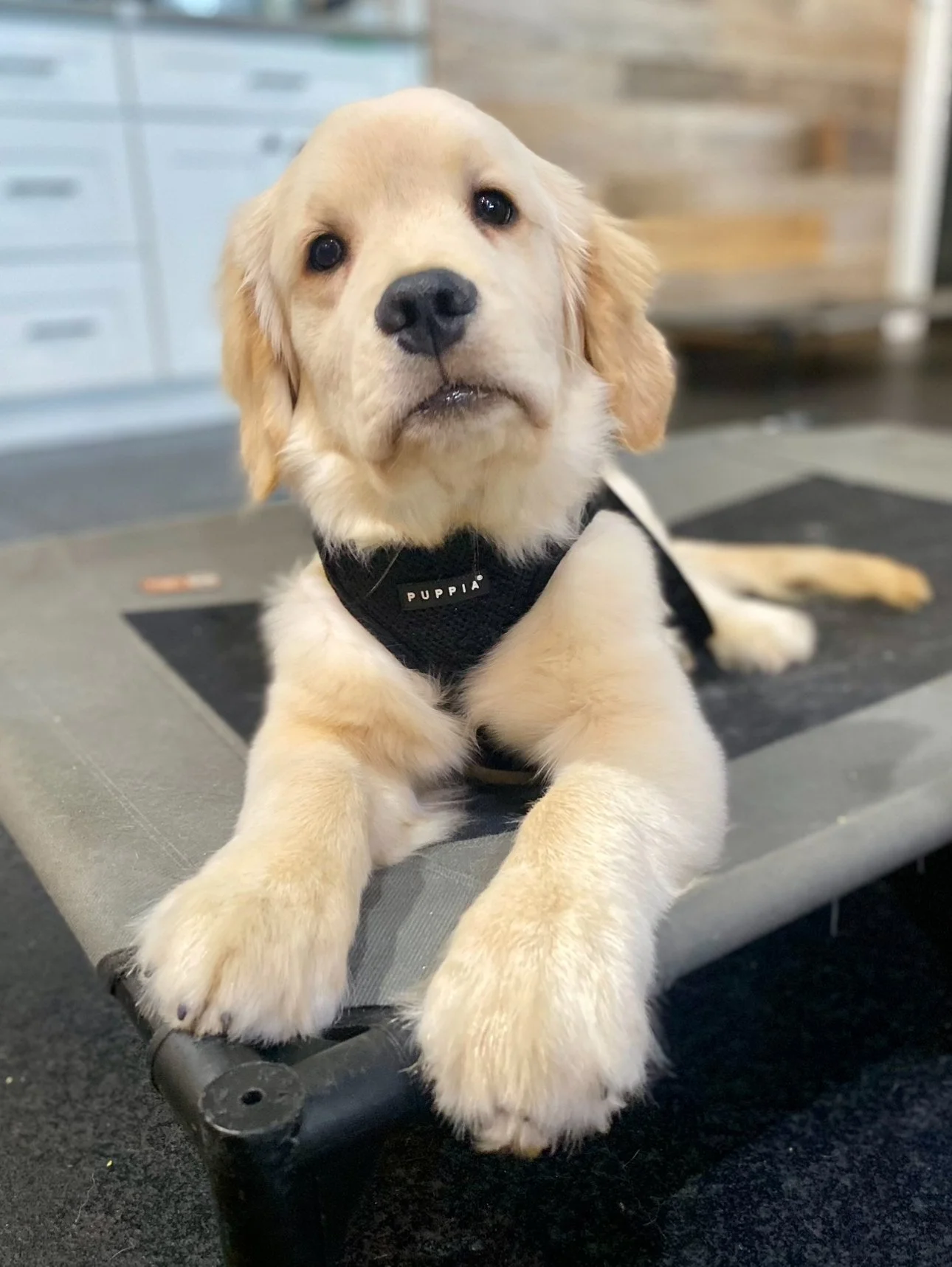
potty training a golden retriever

The Puppy Academy student, Ralph!

If you’ve ever thought:

  • “We were just outside…”

  • “Why didn’t he go when I gave him the chance?”

  • “How does he wait until we come back inside?!”

You’re not alone.

This is one of the most frustrating potty-training problems for new puppy parents — and it’s also one of the most common.

The good news? Your puppy is not being stubborn or trying to trick you. In most cases, they’re either too stimulated outside or too relaxed inside.


Why This Happens

Many young puppies go outside and immediately become distracted by:

  • new smells

  • sounds

  • movement

  • grass, leaves, people, or other dogs

Instead of relaxing enough to pee, they stay busy taking everything in.

Then they come back inside, where everything feels familiar and calm, and suddenly their body says: now I can go.

That’s why this problem usually isn’t about your puppy “not knowing better.” It’s about arousal level, comfort, and routine.


The Biggest Mistake: Giving Free Time Before Potty Happens

If your puppy comes back inside after a failed potty trip and then gets to:

  • run around the living room

  • sniff the house

  • play freely

  • wander out of your sight

…you’ve just made accidents much more likely.

If they haven’t peed yet, they should not get free time.

At this stage, your puppy hasn’t earned the right to roam — because their bladder is still part of the training conversation.


What to Do Instead: Crate, Potty, Repeat

This is where a crate rotation schedule becomes so helpful.

If your puppy goes outside and does not pee:

  1. Bring them back in calmly

  2. Pick them up if needed so they don’t pee on the way inside

  3. Put them right back in the crate

  4. Wait a short amount of time

  5. Take them back out and try again

This prevents accidents and helps their body settle enough to hold it until the next potty attempt.


How Long Should They Go Back in the Crate?

A general guideline based on age:

  • Under 4 months: about 5–10 minutes

  • 4–6 months: about 10–15 minutes

  • Over 6 months: about 15–30 minutes

You’re not “starting over.” You’re simply resetting the potty attempt.

And if you find yourself going back and forth repeatedly, that’s useful information — your puppy may actually need more crate time overall in their schedule.


Keep Outdoor Potty Trips Short and Neutral

When you take your puppy outside to potty, don’t turn it into a long hangout session.

Instead:

  • keep them on leash

  • go to the same general potty area

  • stay calm and neutral

  • stand like a tree and don’t move around

  • give them just 2–5 minutes to go

This helps your puppy understand that outside time has a clear purpose.

If they don’t go, the answer is not to stay out there for 20 minutes hoping for the best. The answer is to reset and try again.


Why the Crate Actually Helps Here

Many puppy parents think putting the puppy back in the crate after a failed potty trip sounds harsh.

It’s not.

The crate helps by:

  • limiting movement

  • reducing stimulation

  • allowing the bladder to settle

  • preventing accidents

  • building a predictable potty routine

In other words, the crate creates the conditions that make success more likely.


Watch Water Intake Too

This part matters more than many people realize.

You do not want to dehydrate your puppy — but you also don’t want unlimited guzzling followed by surprise accidents.

A common guideline is to offer water thoughtfully throughout the day and keep an eye on how much your puppy is drinking relative to:

  • their size and breed

  • the weather

  • activity level

If your puppy is drinking a lot at once, they may need to go out more often.


Signs Your Puppy Needs a Tighter Routine

If your puppy regularly:

  • comes inside and pees within 5–15 minutes

  • acts wild or distracted outside

  • has accidents after “failed” potty trips

  • seems unpredictable with potty timing

…that usually means the routine needs to be tighter and more structured.

That doesn’t mean you’re doing a bad job — it just means your puppy needs more clarity.


What Success Looks Like

Over time, your puppy starts to learn a simple pattern:

Come out → go potty → earn activity time

That sequence is what makes potty training click.

The more consistently you follow it, the faster your puppy will start going outside first instead of waiting until they get back in.


Be Patient — This Is Very Normal

This issue is incredibly common, especially in younger puppies.

You are not behind.

Most puppies simply need:

  • repetition

  • better timing

  • less freedom

  • more structure

And once those pieces are in place, potty training usually gets much easier.


Want a Step-by-Step Plan?

Our Online Puppy School was designed especially for first-time puppy parents, giving you a clear step-by-step plan for potty training, crate training, biting, and everyday puppy behavior — plus weekly live Q&A support so you're never guessing what to do next.

You don’t have to figure puppyhood out on your own.


This question originally came up on our Ask A Puppy Trainer podcast, where our trainers discuss age-specific puppy behavior in more depth. You can listen to the full episode here → on Apple Podcasts or on Spotify.

Have more questions about your puppy? Ask our trainers LIVE every Wednesday at 1 pm PT on our Instagram @thepuppyacademy during our Ask A Puppy Trainer Show! All replays are posted afterward, and you can catch up on our last ones on our YouTube channel or Podcast.

Become a Puppy Academy VIP (Very Important Puppy) to get our latest  puppy training tips direct to your inbox, for free, each week!

This article is part of our Puppy Behavior Basics series.


Related Puppy Training Help

If you’re working through potty training, these may also help:

  • How to Get a Puppy to Pee and Poop on Walks

  • Best Puppy Setup When You're Gone for Several Hours

  • What to Do When You’re Experiencing the Puppy Blues