The Dangers of Blue-Green Algae to Pups

In the past few years, stories of dog intoxication from blue-green algae have surfaced across the web and news across the United States. Here’s what you need to know to keep your puppy safe!

@redlabruss

@redlabruss

On hot summer days, no one loves going in for a swim more than our pups! The last thing that their owners were thinking about, is a highly-toxic organism lurking in the water. Sadly, this was the case for a few dog owners who realized too late that their pups had ingested this deadly blue-algae. So what can be done to prevent a tragedy? Staying vigilant and spotting blue-green algae, watching out for symptoms, and spreading awareness can help keep your pup and many others stay safe during the summer months!

BROUGHT HOME A NEW PUPPY THIS SUMMER? LEARN ABOUT OUR ONLINE TRAINING PROGRAM!

What is Blue-Green Algae and Why is it Dangerous?
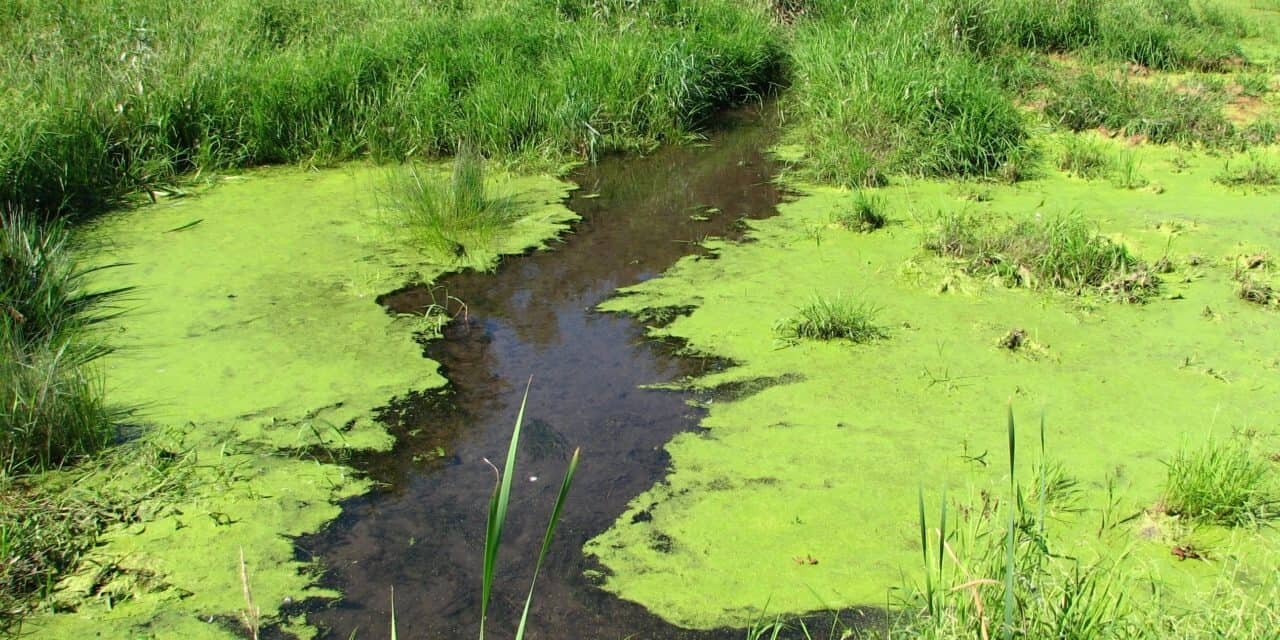
TH-LEGACY-IMAGE-ID-619-pond-with-blue-green-algae-1280x640.jpg

Microcystins — or cyanoginosins commonly known as Blue-green algae is a naturally occurring organism that grows in stagnant bodies of freshwater. It thrives in warmer temperatures of 75 degrees Fahrenheit or above, and sunny conditions which are why many cases of Blue-green algae dog intoxications are reported over the summer months. When ingested it can be extremely toxic and fatal as it attacks the nervous system and liver function.

How to Spot it

Many new puppy owners are not aware of this natural toxin however there are a few indicators you should look out for if you and your pup are near a body of freshwater. Water that can contain this toxic substance will appear with a pea-green color or slimy-looking surface. Oftentimes, the Blue-green algae may still not have bloomed, waiting for the right warm and sunny conditions, and can be below the surface. Knowing this, other signs to look out for include foul-smelling water or the appearance of broken up paint chips floating up to the surface.

Intoxication Symptoms

Blue-green algae intoxication in dogs can develop in a variety of symptoms within hours of swimming or ingesting the poisonous organism. If your puppy begins to show signs of any of the symptoms listed below and you believe they were in contact with Blue-green algae, you should seek veterinary care for your pup immediately!

  • Seizures

  • Panting

  • Excessive drooling

  • Respiratory failure

  • Diarrhea

  • Disorientation

  • Vomiting

  • Liver failure (can be visible through jaundice or yellowing of the gums and eyes)

In extreme cases, Blue-green algae in dogs can be fatal so we can’t stress enough to monitor your pups closely when outdoors and near bodies of freshwater!

PUPPY CARE, PUPPY BEHAVIOR, PUPPY TRAINING, & MORE! CONQUER PUPPYHOOD PROBLEMS WITH OUR ONLINE PUPPY SCHOOL!

What Can You Do?

@bill_the_sprocker

@bill_the_sprocker

Staying vigilant and not allowing your pup to drink or swim in stagnant bodies of fresh water are the top two methods to prevent blue-green intoxication in your pup! The cells of Blue-green algae can live on your pup’s fur and can be ingested if they clean themselves so remember to rinse them off thoroughly if they do take a dip in any body of water.

If you do notice that there is Blue-green algae growth in your local lake or pond, you can alert your local public health department to test the water and post signs! And if you do suspect that your pup has come into contact with or ingested blue-green algae, reach out to ASPCA Animal Poison Control Center at 888-426-4435 and seek out veterinary care immediately.

Lastly, share this post with fellow pup owners you know! Spreading awareness can help prevent potentially fatal intoxication of our sweet pups! 

Check out these blogs related to puppy training and more!

Hot Weather Safety Tips for Your Puppy!

What to Ask Your Vet on Your Puppy’s First Visit!

Know the Risks of Foxtails for Your Puppy!


What to Ask Your Vet on Your Puppy’s First Visit!

The day has finally arrived! You’ve picked up your new puppy, gotten all of their essentials, and are ready to start building a life-long bond! One of the very first steps in your pup’s life journey is their first veterinarian visit!

Don’t put off scheduling your pup’s first vet visit if you know when you’re picking up your puppy! Within the first few days of your pup coming home, you’ll want to bring them in for a physical examination that will let you know your puppy’s general health, plan a vaccination schedule, puppy care for the first year, and help answer more of your questions! 

Many shelters and breeders as part of their contracts will include taking puppies to see a veterinarian prior to releasing them to their new owners. However, it’s wise to schedule your own exam to ensure your new puppy doesn’t have an underlying issue or contracted anything prior to you getting them.

Is my puppy generally healthy?

@jenremdvm

@jenremdvm

The first thing every puppy owner wants to know is if their new puppy is healthy! During your pup’s first vet visit, your vet should go over their physical condition, check their vitals, and extract blood and feces samples to test for underlying issues or parasites. Your puppy’s weight, eyes, ears, nose, mouth, teeth, skin and fur, and genitalia should all be examined by your vet to determine their overall wellness and development depending on their age. Additionally, checking in on their temperature, lungs, abdomen, and lymph nodes will help your veterinarian evaluate their respiratory and gastrointestinal organs are all working fine!

HAVE A QUESTION ABOUT PUPPY BEHAVIOR AND TRAINING? ASK ABOUT  PROFESSIONAL ONLINE PUPPY TRAINING!

How often do I feed my puppy?

This is a question many new puppy owners have and often receive varying answers! Your best bet is to consult with your veterinarian about the quantity of food and how to space out feeding in your puppy schedule based on their age, breed, and development. In general, puppies do tend to eat more often than an adult dog (anywhere from 3-4x per day) from roughly two months to six months of age. Smaller and more frequent meals can be easier on your puppy’s digestion and help maintain their energy levels throughout the day!

What food should I feed my puppy?

Another great question for your veterinarian! Every puppy is different and each breed requires different nutrients from their food to fulfill their development needs and drives. Starting your puppy off with the right type of puppy food is beneficial for their overall growth and can help them avoid developing skin issues, allergies, obesity, and other health issues. Puppy food can generally include a higher amount of proteins, healthy fats, and calories that puppies need to grow as opposed to adult dog food. And with the variety of food types available from kibble, freshly cooked packaged meals, raw, homemade, etc., your vet can help guide you in making the best selection for your puppy!

How often should I take my puppy to go potty?

Potty training your new puppy comes down to maintaining a consistent puppy schedule. From feeding, playtime, naptime, and going potty, all of your pup’s daily activities should be planned out which will make it much easier for you to predict when and how many times your puppy will need to go potty throughout the day. Learn how to develop a puppy schedule of your own with our helpful tips! During the daytime, puppies need to go out frequently for potty breaks (they can typically "hold it" longer overnight). As a guideline, take your puppy’s age in months and divide it in half to determine how long they can hold it for. (Example: A 3-month-old puppy should be taken out to relieve themselves every 1.5 hours.) If they’re already holding it for longer, start from that time and increase it from there!

IS YOUR PUPPY STILL HAVING POTTY ACCIDENTS AT HOME? LEARN HOW TO POTTY TRAIN YOUR PUPPY AND MORE! 

What vaccines does my puppy need?

@ports_vet_clinic_ri

@ports_vet_clinic_ri

During your first vet visit, ask your veterinarian to give you a detailed explanation of the various parasites and diseases that you should be aware of and what preventative measures you need to take. When coming up with a vaccination schedule for your puppy, chances are that they may not even need every vaccine, given the circumstances of where you live and their risk level. Depending on your puppy’s age, your vet will consult you on an appropriate vaccination schedule and provide you with a list of the recommended vaccines for your pup. Here is a sample list of common recommended vaccines for young puppies:

  • Bordetella

  • Distemper

  • Hepatitis

  • Parainfluenza

  • Parvovirus

  • Rabies

Although not a vaccine, you should also consult your vet about starting your puppy on a heartworm preventative. This disease is preventable with a regular medication that your vet can prescribe to your pup.

At what age should I spay or neuter my puppy?

@thehonestvet

@thehonestvet

Spaying or neutering generally occurs from around six months of age and older, however puppies may undergo the procedure at younger and older ages. Many younger rescue pups will be either spayed or neutered prior to being released to their new owners, and for some dog breeds, waiting to perform either procedure until they are around the one year mark can be advantageous for their development.
Discuss with your veterinarian what the right option is for your puppy based on their age, size, breed, and genetics.

When can I bring my puppy outside and meet other dogs?

Although it's generally recommended to wait until your puppy has completed their vaccination schedule to prevent diseases such as Parvovirus, Distemper, and Parainfluenza, your vet may tell you that it’s okay to start bringing your puppy outdoors for walks in less-populated areas and around other vaccinated dogs after their third round of shots! That being said, if your puppy still hasn’t completed their vaccines, it’s wise to take precaution that your pup doesn’t sniff or eat other dog feces, and generally stays away from other dogs, especially if you’re not aware of their health or vaccination history. Ask your vet for what stage in your puppy’s vaccination schedule they are allowed to go out for walks and when they can interact with another dog.  

When should I start puppy training?

It’s never too early! Your veterinarian can be a great resource to find a trusted and local puppy trainer in your area. Keep in mind your puppy’s individual needs and your goals when researching puppy trainers. Some offer one-on-one training while others are class-style training sessions, and also look for trainers who use a style that feels right for you. Additionally, if you are unable to find a puppy trainer in your area that matches your needs, there are online puppy training programs such as our online puppy school designed to teach you how to teach your puppy basic obedience commands, develop communication and leadership skills with your puppy, handle puppy behaviors like nipping and chewing, potty training, and much more!

GET LIVE, INTERACTIVE ONLINE PUPPY TRAINING RIGHT AT HOME! PLUS, ONE-ON-ONE CONSULTS WITH PROFESSIONAL PUPPY TRAINERS!

Check out these blogs related to puppy training and more!

8 Effective Ways to Bond with Your Puppy!

Hot Weather Safety Tips for Your Puppy!

How Does Online Training Work?